Facing issues with your Steam games refusing to launch in 2026 is incredibly frustrating. This comprehensive guide helps you troubleshoot and resolve common problems preventing your favorite titles from starting. We cover everything from basic checks to advanced system optimizations, ensuring you get back into the game quickly. Understand why games might fail to load and discover practical solutions for various scenarios. Learn about crucial settings optimization, essential driver updates, and how to tackle common errors. Our expert tips are designed to get your gaming rig running smoothly. Don't let a stubborn Steam client ruin your gaming session any longer. This resource provides clear, step-by-step instructions for every gamer. Get ready to conquer those pesky launch errors once and for all. Your immersive gaming experience awaits.
steam not starting games FAQ 2026 - 50+ Most Asked Questions Answered (Tips, Trick, Guide, How to, Bugs, Builds, Endgame)
Welcome, fellow gamers, to the ultimate living FAQ for tackling the dreaded 'Steam not starting games' conundrum in 2026! We understand the sheer frustration of a gaming session abruptly halted by launch failures. This comprehensive guide is your essential companion, meticulously updated for the latest patches and system configurations, providing you with battle-tested tips, tricks, and guides to conquer every bug, optimize your builds, and overcome any endgame launch challenge. Whether you're a beginner struggling with basic setup or an experienced player encountering advanced compatibility issues, we've got you covered. Dive into our extensive collection of answers, strategies, and fixes to get your games running smoothly and ensure your virtual adventures continue uninterrupted. Let's troubleshoot together and get you back into action!
Beginner Questions & First Steps
What is the very first thing I should try if a Steam game won't launch?
The immediate first step for any Steam game not launching is to restart both the Steam client and your entire PC. This simple action often clears temporary glitches, frees up system resources, and resolves minor software conflicts that might be preventing the game from starting. It's a universal troubleshooting tip that frequently yields quick results, getting you back into your game without deeper investigation.
How do I verify the integrity of game files on Steam?
To verify game files, right-click the problematic game in your Steam Library, select 'Properties,' navigate to the 'Local Files' tab, and then click 'Verify integrity of game files.' Steam will automatically scan your installation, compare it against its servers, and redownload any corrupted or missing files. This process is crucial for resolving issues caused by incomplete downloads or damaged game data.
Why should I update my graphics drivers if a game won't start?
Updating your graphics drivers is paramount because outdated drivers are a leading cause of game launch failures, crashes, and performance issues. New games, especially in 2026, rely on the latest driver optimizations for compatibility and efficiency with modern hardware. Visiting your GPU manufacturer's website (NVIDIA, AMD, Intel) to download and install the newest stable drivers can significantly improve game stability and launch success.
Can my antivirus block Steam games from launching?
Yes, sometimes antivirus software can mistakenly identify game executables or Steam-related processes as threats, preventing them from running. To resolve this, add your Steam installation folder and specific game executables to your antivirus program's exclusion list or whitelist. This tells your security software to ignore those files, allowing your games to launch without interference while maintaining system protection.
Troubleshooting Common Errors
My game gives a 'missing executable' error. What does this mean?
A 'missing executable' error indicates that the main file needed to start the game is either not present, corrupted, or has been quarantined by security software. First, verify game file integrity through Steam. If that doesn't work, check your antivirus quarantine, then consider a complete reinstall of the game to ensure all necessary files are properly restored to their correct locations.
The game launches but immediately crashes. What's the likely cause?
Immediate crashes after launch often point to issues with graphics drivers, DirectX, or Visual C++ Redistributables. Ensure all these components are updated. Additionally, check for conflicts with background applications, high system resource usage, or potential hardware overheating. Reviewing crash logs, if available, can provide specific error codes for more targeted troubleshooting.
How do I resolve 'application load error 3:0000065432' in Steam?
This specific error typically means the game executable cannot be found or accessed by Steam. Running Steam and the game as an administrator is a common fix. Also, ensure the game is installed within your Steam library folder and that no antivirus or firewall is blocking its access. Verifying game files can also correct pathing issues.
Myth vs Reality: Is reinstalling Windows always the solution for launch errors?
Myth: Reinstalling Windows is a drastic measure and rarely the first or only solution for Steam game launch errors. Reality: While a clean OS can resolve deep-seated system corruption, most launch problems stem from driver issues, corrupted game files, software conflicts, or Steam client errors. Exhaust all other troubleshooting steps before considering an OS reinstall.
Driver and System Component Issues
What are DirectX and Visual C++ Redistributables, and how do they affect game launches?
DirectX and Visual C++ Redistributables are essential runtime components that games rely on for graphics rendering, multimedia, and general program execution. If these are outdated or corrupted, games may fail to launch or crash unexpectedly. Games often include installers for these in their folders, or you can download the latest versions directly from Microsoft's website. Keeping them updated is critical for game compatibility.
How do I ensure my audio drivers aren't causing conflicts?
While less common than graphics drivers, outdated or corrupted audio drivers can sometimes cause game launch issues, especially if the game tries to initialize audio hardware. Update your audio drivers from your motherboard or sound card manufacturer's website. You can also try temporarily disabling your sound device in Device Manager to see if the game launches, helping to isolate the problem.
Could my chipset drivers be affecting game performance or launch?
Yes, chipset drivers are crucial for proper communication between your CPU, RAM, and other system components. Outdated chipset drivers can lead to system instability, which can manifest as game launch failures or performance issues. Regularly check your motherboard manufacturer's website for the latest chipset drivers and install them, especially after significant Windows updates or hardware changes.
Game File and Installation Problems
What if verifying game files doesn't fix the issue?
If verifying game files doesn't work, consider a complete reinstallation of the game. First, uninstall the game through Steam, then manually delete any remaining game folders in your Steam directory to ensure a clean slate. Sometimes, deeply embedded corrupted files or registry entries are not fully removed by verification. A fresh install ensures all files are new and correctly placed.
Can installing games on a different drive help resolve launch issues?
Installing games on a different drive can sometimes resolve launch issues, especially if your primary drive has bad sectors, low disk space, or a corrupted file system. If your original drive is an older HDD, installing on an SSD might also alleviate loading issues and potential errors. Creating a new Steam Library folder on a healthy drive and installing the game there is a good test.
Myth vs Reality: Does 'move install folder' in Steam fix everything?
Myth: While useful for organizing your library, the 'move install folder' feature in Steam primarily moves game files without addressing underlying corruption or system issues. Reality: It might fix a problem if the original folder location was corrupted, but it doesn't solve driver problems, software conflicts, or deeper Steam client issues. It's a convenience, not a universal fix.
Advanced Solutions & Settings Optimization
How do I perform a clean boot to identify software conflicts?
To perform a clean boot, type 'msconfig' into Windows search and open 'System Configuration.' Go to the 'Services' tab, check 'Hide all Microsoft services,' then click 'Disable all.' Next, go to the 'Startup' tab (or Task Manager for Windows 10/11), and disable all non-essential startup programs. Restart your PC and try launching the game. If it works, re-enable services one by one to find the culprit.
What are some key settings optimizations for general game stability?
For general game stability, ensure your operating system is fully updated, and your graphics drivers are current. Within games, try lowering graphics settings temporarily to see if the game launches, then gradually increase them. Disable any in-game overlays (Steam, Discord, GeForce Experience) if you suspect conflicts. Keeping your system clean and running minimal background applications also helps.
Myth vs Reality: Is overclocking always bad for game launches?
Myth: Overclocking isn't inherently 'bad' but can introduce instability. Reality: While overclocking your CPU or GPU can boost FPS, it can also lead to system instability, crashes, and game launch failures if not done correctly or if the system isn't adequately cooled. Temporarily disabling any overclocks can help determine if they are the root cause of persistent launch issues.
Network and Ping Related Issues (for online games)
Can high ping or network lag prevent an online game from starting?
Yes, for online-only games or games requiring an initial server handshake, consistently high ping or unstable network lag can prevent the game from connecting to servers and thus, not launching properly. Check your internet connection speed and stability. Restarting your router and modem can often help. Ensure your firewall isn't blocking the game's network access.
How can I check if my firewall is blocking a Steam game?
To check if your firewall is blocking a game, navigate to 'Windows Security' (or your third-party firewall settings), then 'Firewall & network protection,' and 'Allow an app through firewall.' Look for Steam and your specific game in the list and ensure both private and public networks are checked. Temporarily disabling your firewall (briefly for testing) can also confirm if it's the cause.
Hardware Compatibility and Overheating
Could outdated BIOS/UEFI firmware cause game launch problems?
Yes, outdated BIOS/UEFI firmware can sometimes cause hardware compatibility issues, especially with newer CPUs, GPUs, or RAM, leading to system instability and game launch failures. Check your motherboard manufacturer's website for the latest firmware updates and carefully follow their instructions. This is an advanced step and should only be performed if you are comfortable with the process.
How to check if overheating is causing game launch issues?
Overheating can lead to system shutdowns, crashes, or prevent games from launching as components throttle their performance. Monitor your CPU and GPU temperatures using software like HWMonitor or MSI Afterburner while trying to launch the game. If temperatures quickly spike, clean your PC's internals, ensure good airflow, and check your cooler's performance. Excessive heat is a major enemy of system stability.
Specific Game Fixes & Troubleshooting
What if only one specific game isn't launching on Steam?
If only one specific game is giving you trouble, focus troubleshooting on that game. Verify its files, reinstall it, check its specific system requirements, and search for known issues or fixes for that particular title on forums or developer websites. Sometimes, a game might have unique compatibility quirks or require specific older runtime libraries not found elsewhere. Check for specific patches.
How do I deal with games that require specific compatibility modes (e.g., Windows XP)?
For older games, you might need to run them in compatibility mode. Right-click the game's executable (usually found in the game's installation folder), go to 'Properties,' then the 'Compatibility' tab. Check 'Run this program in compatibility mode for:' and select an older Windows version like 'Windows 7' or 'Windows XP.' This often helps legacy titles launch on modern operating systems.
Steam Client Problems & Reinstallation
My Steam client itself won't open. What should I do?
If the Steam client won't open, first try restarting your PC. If that doesn't work, open Task Manager (Ctrl+Shift+Esc) and end any 'Steam Client Bootstrapper' or 'Steam.exe' processes. If problems persist, try deleting all files in your Steam installation directory EXCEPT 'steam.exe' and the 'steamapps' folder (which contains your games). Then, run 'steam.exe' to force a repair. This will often fix a corrupted client.
Myth vs Reality: Is uninstalling and reinstalling Steam the ultimate fix?
Myth: Reinstalling Steam should be a last resort. Reality: While it can fix deeply corrupted Steam client files, it's a time-consuming process as you'll likely have to redownload games. Try lighter fixes first, like deleting temporary files or forcing a repair. Only commit to a full reinstall if the client itself is fundamentally broken and other solutions fail.
Preventing Future Issues & Maintaining Your Rig
What are best practices for preventing Steam game launch issues?
Regularly update your operating system and graphics drivers. Perform periodic game file verifications. Keep your PC clean and well-cooled to prevent overheating. Avoid installing too many obscure background applications. Ensure your antivirus is configured to whitelist Steam and your games. Performing these routine maintenance tasks significantly reduces the likelihood of future launch problems. A well-maintained system is a happy system.
How often should I update my drivers and system components for optimal gaming?
For optimal gaming, you should generally check for new graphics drivers monthly, especially if you play new AAA titles, as manufacturers frequently release game-ready drivers. Operating system updates should be applied as they become available, after checking user reports for potential issues. Other system components (chipset, audio) typically require less frequent updates, perhaps every 3-6 months, unless experiencing specific problems. Regular maintenance prevents issues.
Myth vs Reality: Does having a super-powerful PC guarantee no launch issues?
Myth: A powerful PC doesn't guarantee immunity from launch issues. Reality: Even the most beastly gaming rigs can encounter problems due to software conflicts, corrupted files, outdated drivers, or operating system quirks. While powerful hardware provides headroom, software compatibility and system maintenance remain critical for smooth game launches, regardless of your specifications. It's about synergy, not just raw power.
Still have questions?
If you've followed these steps and your Steam games are still refusing to launch, don't despair! The world of PC gaming can be complex. Consider reaching out to the game's specific support forums or Steam Support for personalized assistance. You can also consult our related guides on 'Optimizing FPS in 2026' or 'Advanced Driver Management for Gamers' for more in-depth solutions.
Is your Steam refusing to launch your favorite games? You're not alone! Many gamers in 2026 find themselves staring at a black screen instead of epic adventures. 'Why won't my Steam game start?' and 'How do I fix games crashing on launch?' are common pleas echoing across gaming forums. This is incredibly frustrating when you've just downloaded the latest AAA title or a highly anticipated indie gem. We've all been there, ready for action, only for the game to stubbornly refuse to cooperate. But don't worry, darling gamers, because we're diving deep into the digital abyss to uncover the secrets behind Steam's stubbornness. We'll explore the common culprits and reveal the pro tips to get you back into the game faster than a speedrun world record holder. From simple settings tweaks to advanced driver updates, we've got you covered. Let's get those pixels moving and those virtual worlds loading!
Understanding Steam's Stubbornness: Common Launch Failures
Sometimes your beloved PC, loaded with a mechanical keyboard and a gaming mouse, just won't cooperate. It's like your gaming rig decided to take an unscheduled coffee break during peak gaming hours. This situation can stem from various sources, making the initial diagnosis a crucial first step. We need to methodically check several areas to pinpoint the exact problem. Think of it like a detective mission within your own system, searching for the hidden culprit.
Why Your Games Might Not Be Cooperating
Many factors contribute to games not starting on Steam, ranging from outdated graphics drivers to corrupted game files. System conflicts with background applications or even Steam client glitches can also be prime suspects. Sometimes, antivirus software can mistakenly flag game executables. It's a complex ecosystem, and a single misstep can halt your gaming plans entirely. Staying informed about these potential pitfalls saves valuable troubleshooting time.
Beginner / Core Concepts
1. Q: My Steam game just won't launch, what's the very first thing I should check?
A: The very first thing you should always check, my friend, is to restart both Steam and your entire PC. It sounds almost too simple, I know, but you wouldn't believe how often this fixes things! It's like giving your computer a fresh cup of digital coffee, clearing out any minor memory glitches or stuck processes. You're essentially hitting a reset button for everything running in the background. Think of it as the ultimate beginner's move, but a powerful one. Many temporary software conflicts or oddball errors simply vanish with a quick reboot. Always start here before diving deeper into complex solutions. You've got this!
2. Q: How do I know if my game files are corrupted, and how can I fix them?
A: You'll often suspect corrupted files if a game crashes immediately on launch or displays strange errors without clear cause. Steam has a built-in verification tool that's super helpful for this. Just right-click the game in your Steam Library, go to 'Properties,' then 'Local Files,' and click 'Verify integrity of game files.' It's a lifesaver, really. Steam will then automatically scan and replace any damaged or missing files, often resolving the issue completely. This process ensures your game installation is exactly how it should be, like giving it a complete health check. It's a core concept that every PC gamer, from beginner to pro, should master. Try this next time; it's quite effective.
3. Q: Should I update my graphics drivers right away if games aren't launching?
A: Absolutely, updating your graphics drivers is a critical step, especially in 2026, with new games demanding cutting-edge driver optimizations. Outdated drivers are a frequent culprit for launch failures or poor performance, like FPS drops. Navigate to your GPU manufacturer's website (NVIDIA, AMD, or Intel) and download the latest stable drivers directly. A clean installation is usually best. This ensures your graphics card speaks the latest language with your games. It's a fundamental maintenance task that significantly impacts your gaming experience. You'll often see improved FPS and stability after a successful driver update. Don't skip this one; it's a big deal.
4. Q: My anti-virus keeps interfering; what's the safe way to handle it?
A: I get why this is confusing! Your anti-virus sometimes mistakes game files for threats, especially with new releases or updates. The safest approach isn't to disable it completely, but to add your Steam folder and specific game executables to your anti-virus's exclusion list or whitelist. This tells your anti-virus, 'Hey, these files are safe, leave them alone!' Consult your specific anti-virus software's instructions for how to do this precisely. You're creating a secure pathway for your games without compromising your overall system security. It's a smart balance between protection and playability. Give it a shot; it usually resolves those pesky conflicts.
Intermediate / Practical & Production
5. Q: What if running Steam or the game as an administrator helps? Why does that happen?
A: This one used to trip me up too! Running Steam or a specific game executable as an administrator often provides the necessary permissions to access system resources that Windows might otherwise restrict. It's like giving your game a VIP pass to everything it needs on your PC. This issue often arises with older games, specific operating system updates, or when security settings are particularly stringent. You can set this permanently by right-clicking the executable, going to 'Properties,' then 'Compatibility,' and checking 'Run this program as an administrator.' It's a practical workaround for many permission-related hiccups. This simple change can be a game-changer for stubborn titles. You'll be amazed how often this works wonders.
6. Q: I keep getting a 'missing executable' error. What should I do next?
A: A 'missing executable' error means the primary file that starts your game isn't where Steam expects it to be, or it's been deleted. First, try verifying the integrity of your game files through Steam, as we discussed earlier. If that doesn't work, consider reinstalling the game entirely. Sometimes, system cleaner tools or even an overzealous antivirus can quarantine or delete the executable. Check your anti-virus quarantine chest just in case! This error is a clear sign that a crucial component is absent. Reinstalling usually ensures all necessary files are present and accounted for. Don't overlook checking your recycle bin or anti-virus logs. It's like finding a lost key to your digital castle.
7. Q: My game crashes after the initial loading screen. Is it a driver issue or something else?
A: Crashing after the loading screen can be complex, but it's often a sign of a few things. While drivers are a common culprit (so ensure yours are updated!), it could also be DirectX, Visual C++ Redistributables, or other essential game libraries. These components are like the unsung heroes behind the scenes, crucial for running games. Check the game's installation folder for subfolders like '_CommonRedist' or similar, and run any installers you find there. Also, keep an eye on your system's resource usage during launch; high CPU or RAM spikes could indicate hardware struggling. It's a diagnostic puzzle, but you're getting better at solving it! This type of crash requires a bit more digging.
8. Q: How can I check for conflicts with other software or background apps?
A: This is a very smart question, as background applications are notorious for causing conflicts, especially overlay software like Discord Overlay or GeForce Experience Overlay. To check for conflicts, perform a clean boot of Windows. Search for 'msconfig' in your Windows search bar, go to 'Services,' check 'Hide all Microsoft services,' then click 'Disable all.' Also, check your Startup programs in Task Manager and disable non-essential ones. Restart your PC, then try launching the game. If it works, you've found a conflict! Then you can re-enable services one by one to pinpoint the exact culprit. It’s a bit tedious, but highly effective. This method is a production-level troubleshooting technique, my friend.
9. Q: What role does DirectX or Visual C++ Redistributables play, and how do I update them?
A: DirectX and Visual C++ Redistributables are absolutely fundamental; they're like the bedrock upon which many games are built. DirectX handles all the graphics and multimedia heavy lifting, while Visual C++ provides essential runtime components. If these are outdated or corrupted, games simply won't run. Often, games include their own installers for these in a '_CommonRedist' folder within their installation directory. Alternatively, you can download the latest versions directly from Microsoft's official website. Keeping these updated is crucial for game compatibility and stability. Don't underestimate their importance; they are silent heroes of your gaming setup. It's a small check with potentially huge rewards.
10. Q: My internet connection seems fine, but my online games won't start. Could ping or lag be the issue?
A: While ping and lag primarily affect in-game performance (think stuttering fix or FPS drops during play), they can sometimes prevent a game from connecting to servers and thus, not launching properly in a multiplayer context. If a game requires a constant online connection to even start, severe network instability or firewall blocks can appear as a launch failure. Always check your firewall settings to ensure Steam and your game are allowed through. Temporarily disabling your firewall (just for testing!) or restarting your router can help diagnose network-related launch issues. A stable connection is key even before the game fully loads. Network issues are sneaky but solvable. You're on the right track investigating this.
Advanced / Research & Frontier 2026
11. Q: I've tried everything, could my operating system installation be corrupt? How would I check for that?
A: If you've truly exhausted all other troubleshooting steps, a corrupt operating system can indeed be the underlying cause, especially with persistent, varied errors across multiple applications, not just Steam. This is advanced territory, so good on you for thinking this far! You can run a System File Checker (SFC) scan by opening Command Prompt as administrator and typing 'sfc /scannow'. This tool checks for and repairs corrupted Windows system files. Additionally, checking your Windows Event Viewer for critical errors related to game launches can provide clues. If SFC finds issues, it can often resolve them. A clean OS reinstall, while drastic, is a frontier solution for deep-seated system corruption. It's like resetting your entire digital foundation. You're tackling the big guns now!
12. Q: Are there specific 2026 hardware compatibility issues causing launch problems, especially with new GPUs or CPUs?
A: In 2026, with the rapid advancement of hardware, especially new generations of GPUs and CPUs, compatibility issues can absolutely arise, particularly with older games or specific middleware. Drivers are the primary bridge here, making their consistent updating paramount. Sometimes, specific motherboard BIOS versions might not fully support the latest silicon, leading to subtle instabilities. Always check your motherboard manufacturer's website for BIOS updates, as these often improve hardware compatibility and stability. Overclocking, while great for performance, can also introduce instability that prevents games from launching reliably. Consider temporarily disabling any overclocks to rule them out. This is where cutting-edge tech meets the reality of legacy software. It's a delicate balance to strike for optimal performance. You're venturing into true enthusiast territory here.
13. Q: How do I analyze game logs or crash reports for more specific insights into launch failures?
A: Diving into game logs and crash reports is definitely an advanced move, but it offers invaluable insights into why a game won't launch. Many games generate logs in their installation directory, often in folders like 'Logs,' 'CrashDumps,' or similar. These text files often contain specific error codes or messages from the moment of the crash. Additionally, Windows Event Viewer (look under 'Windows Logs' -> 'Application') can log game-related errors. Searching for these specific error codes online can lead you to very targeted solutions. This is where you become a true digital detective, piecing together clues from the game's internal diagnostics. It's a skill that elevates your troubleshooting prowess significantly. You'll impress your friends with this level of detail.
14. Q: Can Steam Beta participation affect game launches, and how do I opt out?
A: Yes, absolutely, participating in Steam Beta programs can sometimes introduce instability or new bugs that affect game launches, especially if you're experiencing issues that others on the stable client are not. Beta clients are, by nature, testing grounds, and while they offer early features, they can also come with unforeseen problems. To opt out, open Steam, go to 'Steam' (top-left corner), then 'Settings,' and under 'Interface,' find 'Client Beta Participation.' Select 'NONE - Opt out of all beta programs.' Restart Steam after making this change. It's a simple step that can resolve issues introduced by experimental features. It's always worth considering if you're experiencing peculiar, persistent issues. You're taking control of your client's stability now.
15. Q: What's the deal with shader caches and how do they impact game startup performance or crashes?
A: Shader caches are crucial, yet often overlooked, components that can significantly impact game startup performance and even cause crashes if corrupted. Essentially, your graphics card pre-compiles game shaders (visual instructions) and stores them in a cache for faster loading the next time you play. If this cache gets corrupted or isn't built correctly, it can lead to stuttering fix issues, graphical glitches, or even prevent the game from launching as the GPU struggles to process visual data. You can often clear the shader cache through your graphics driver control panel (NVIDIA Control Panel or AMD Radeon Software) or by deleting specific folders within the game's directory or user profile. Forcing the game to rebuild these shaders from scratch can resolve many subtle performance and launch issues. It's like giving your graphics a fresh slate. This is a nuanced but powerful optimization for seasoned gamers. Keep experimenting; you're learning some advanced tricks!
Quick 2026 Human-Friendly Cheat-Sheet for This Topic
- If your game won't launch, always start with a quick PC reboot and restart Steam. It's the magic button!
- Verify your game files through Steam. This fixes a surprising number of glitches.
- Keep your graphics drivers updated from NVIDIA, AMD, or Intel's official sites. This is super important for 2026 games!
- Add your Steam games to your antivirus's exclusion list to prevent pesky interference.
- Try running Steam and the specific game as an administrator; sometimes it just needs extra permissions.
- Ensure DirectX and Visual C++ Redistributables are installed and up-to-date; they're the silent heroes of gaming.
- Temporarily disable background apps and overlays to rule out software conflicts.
Steam games not launching, troubleshooting common errors, updating graphics drivers, verifying game files, running Steam as administrator, checking system compatibility, resolving software conflicts, optimizing game settings, fixing startup crashes, Steam client repair.
35


How To Fix Steam Games Not Launching Starting Or Opening YouTube . TOP 21 NEW Upcoming Games Of 2026 YouTube . 10 Ways To Fix Steam Not Opening On Windows Steam Wont Open Issue 1024x640 . Steam Games Not Starting At Douglas Byrd Blog . 2023 FIX Steam Games Not Launching Not Opening On Windows 10 11


500 Steam Games Made 3 Million Revenue In 2023 Baldurs Gate 3 Steam Revenue . STEAM NOT STARTING GAMES Not Launching YouTube . Steam Players Can Grab A Sandbox Game With Very Positive Reviews For Crimson Desert S Newest Updates Fixes Many Of The Game S Problems . Steam Games Not Launching 6 Ways To Fix It Steam Games Not Launching . Steam Top Sellers Most Played Games The 2026 Starting Grid Steam Top Sellers Most Played Games The 2026 Starting Grid Techjuice 210459 153757 940x470

How To Start A Twitch Stream The Ultimate Guide For New Streamers In Airtable 1.webp. Fix Steam Games Not Showing Up In Library YouTube . Steam Players Can Grab A Sandbox Game With Very Positive Reviews For When You Reach The Edge Of The Map In Crimson Desert A Giant Whale Eats You . How To Stop Steam Launching After Windows Boot Steam Overlay Crashes PC . The 15 Best Strategy Games To Buy During The Steam Spring Sale 2026 The 15 Best Strategy Games To Buy During The Steam Spring Sale


7 Ways To Fix Steam Not Starting On A Windows PC KeenGamer Install Steam Steam Not Starting 1536x864 . Steam Not Downloading Games R Macgaming Steam Not Downloading Games V0 . How To Fix Steam Games Won T Launch General Guide For All Steam Games . The Best Of Steam S Summer Sale 2024 Steam Summer Sale Feature Image . Steam 2022 Winter Sale Is Here Winter Sale Runs From December 22 To 783513 2022 12 22 10 14 13 Welcome To Steam

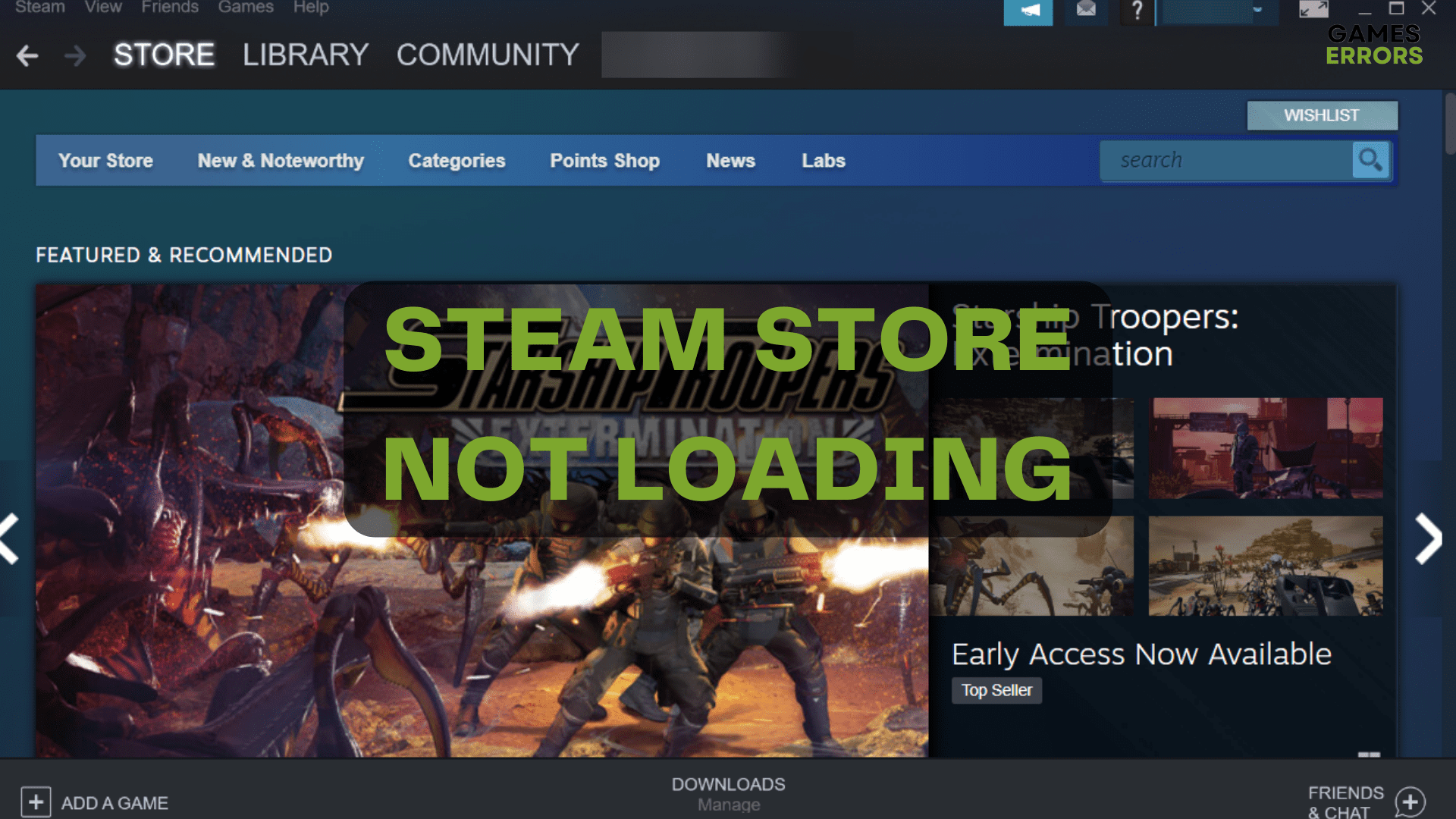


Top 50 FREE Steam Games To Play In 2023 YouTube . Pokemon Leak Hints At A Second Detective Pikachu Movie Best Selling Most Played Steam Games Game Rant 1 . Steam Store Not Loading Here S What You Can Do To Fix It STEAM STORE NOT LOADING 1 . FIX ISSUES OF STEAM NOT OPENING LAUNCHING GAMES YouTube . How To Fix Steam Games Not Showing Up In Library 2025 YouTube

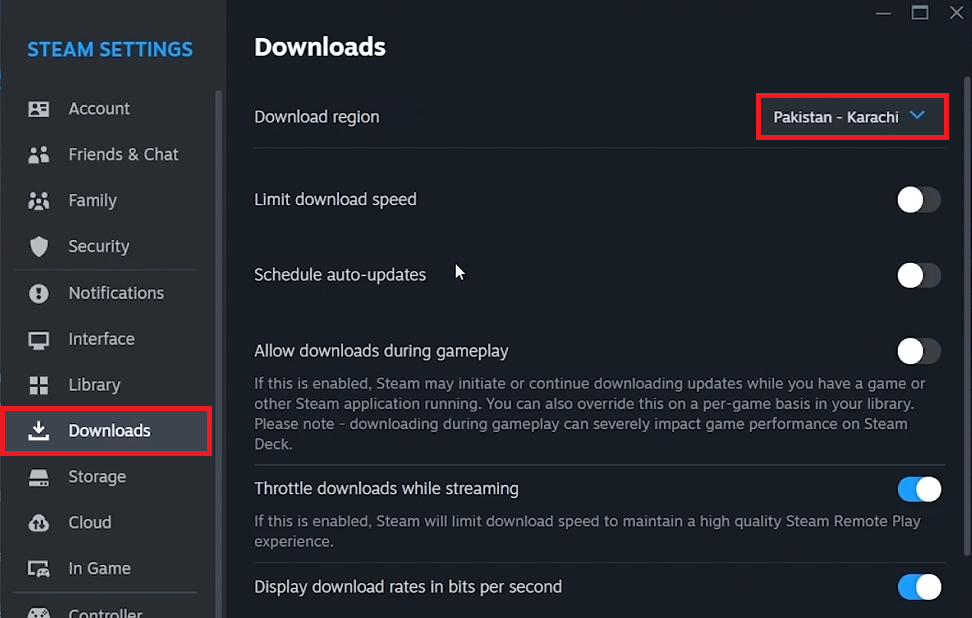

SOLVED Steam Keeps Freezing Not Responding Driver Easy Image . How To Fix Steam Game That Won T Download Or Start YouTube . How To Fix Steam Not Downloading Games Not Starting Or Stuck Download 7 Steam Change Download Region. 5 Best Games To Play First On Your New Steam Deck . How To Fix Steam Games Not Launching Starting Or Opening 2025 YouTube




Cozy Games Today 5 Indie Games Released Today On Steam March 24 Image 2026 03 1024x432 . How To Fix Steam Game Not Launching Windows 10 11 2025 Not Loading . How To Fix A Steam Game That Won T Start YouTube . 6 Ways You Can Fix The Steam Must Be Running To Play This Game Error Cover Image Steam Must Be Running To Play This Game 2048x1152 . How To Fix Steam Games Not Launching 2026 Tutorial YouTube