Diving into the world of best gaming PC builds in 2026 means unlocking unparalleled performance and value tailored specifically for your play style and life balance. For the average US gamer, around 36 years old, who juggles work, family, and a passion for gaming, optimizing every hour online is crucial. This guide cuts through the hype, offering practical, up-to-date advice on components, budgets, and smart upgrades. Discover how to conquer common setup headaches, boost in-game performance without breaking the bank, and find the perfect build that supports both your relaxation and skill-building needs. From understanding the latest GPU trends to future-proofing your rig, we'll equip you with the knowledge to craft a system that excels in every game, social session, and even a bit of work. Get ready to elevate your gaming experience with a custom PC build designed for real life, real performance, and real fun without the unnecessary fuss, addressing everything from hardware upgrades on a budget to balancing gaming with life effectively. This informational resource ensures you stay current with 2026 trends, avoiding common pitfalls and maximizing your investment.
What are the best gaming PC builds for different budgets in 2026?
Finding the perfect "best gaming PC builds" means aligning performance with your wallet. In 2026, the sweet spot for many lies in striking a balance between raw power and smart component choices. We'll categorize builds into three tiers: Entry-Level, Mid-Range, and High-End, acknowledging that even budget-conscious gamers desire smooth experiences in titles like Valorant, Apex Legends, or even some recent AAA releases. Remember, components are dynamic, but the principles of value remain constant.
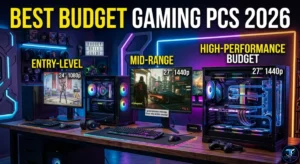
- Entry-Level ($700-$1000): Focus on 1080p gaming at high refresh rates for esports titles or solid 60fps for less demanding AAA games. A Ryzen 5 7600 or Intel Core i5-14400F paired with an AMD Radeon RX 7600 XT or NVIDIA RTX 4060 provides excellent value. Aim for 16GB DDR5 RAM and a 1TB NVMe SSD. This build allows busy gamers to dive into popular social games and still experience good visuals without breaking the bank.
- Mid-Range ($1200-$1800): Ideal for 1440p gaming at high refresh rates, or 1080p ultra settings on almost any game. Consider a Ryzen 7 7700X or Intel Core i7-14700K CPU, combined with an RX 7800 XT or RTX 4070 Super. 32GB DDR5 RAM is highly recommended, alongside a 2TB NVMe SSD for ample game storage. This tier provides significant future-proofing and handles the majority of titles comfortably, perfect for gamers balancing life and wanting quality relaxation.
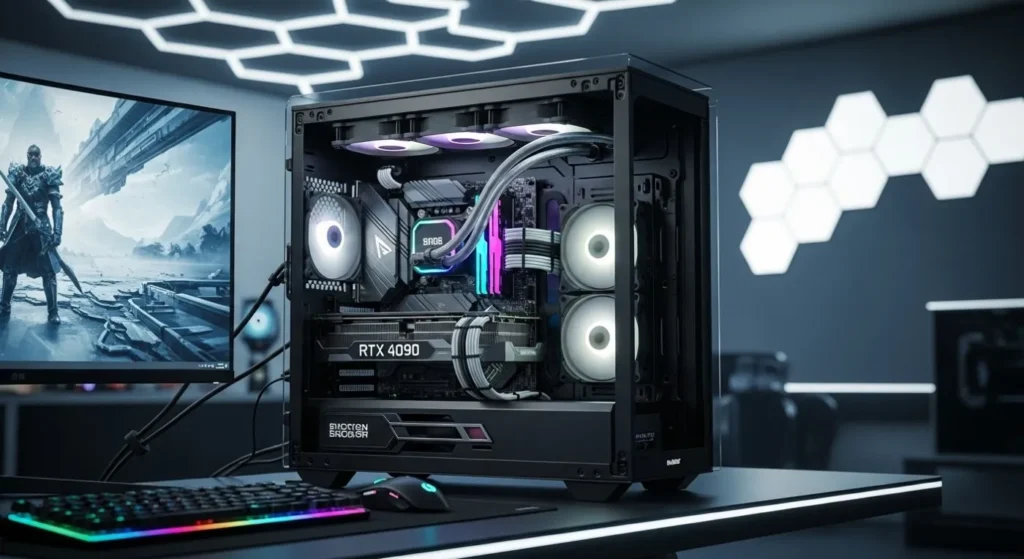
- High-End ($2000+): For uncompromised 4K gaming, high refresh rate 1440p, or VR experiences. Look at a Ryzen 9 7950X3D or Intel Core i9-14900K, paired with an RX 7900 XTX or RTX 4080 Super. 32GB or 64GB DDR5 RAM and a 2TB+ Gen 5 NVMe SSD are standard. These builds are for dedicated enthusiasts who want the absolute best performance and intend to stream or engage in demanding creative work alongside gaming, reflecting the creator/streamer influence common among today's gamers.
How do I choose the right CPU and GPU for my gaming PC build?
The CPU (Central Processing Unit) and GPU (Graphics Processing Unit) are the heart and soul of any gaming PC build, profoundly impacting performance. Your choice should reflect your target resolution, refresh rate, and the types of games you play. For instance, CPU-intensive games like strategy titles or simulators benefit from higher core counts and clock speeds, while most modern AAA games are heavily GPU-bound.
When selecting your CPU, consider current-generation Intel Core i5/i7/i9 or AMD Ryzen 5/7/9 processors. For gaming, a mid-range i5 or Ryzen 5 is often sufficient, but an i7 or Ryzen 7 offers better future-proofing and multitasking capabilities (like streaming). For GPUs, NVIDIA's RTX 40-series and AMD's Radeon RX 7000-series are the current powerhouses. Research benchmarks for the games you play most. If you're targeting 1080p, an RTX 4060 or RX 7600 XT is great. For 1440p, an RTX 4070 Super or RX 7800 XT is a solid choice. For 4K, you'll need an RTX 4080 Super or RX 7900 XTX. Balance is key; avoid pairing a top-tier GPU with a very old or weak CPU, as this can lead to a "bottleneck" where one component limits the other's potential, hindering overall performance optimization.
Is it really cheaper to build a gaming PC than to buy a pre-built one?
Historically, building a gaming PC almost always offered a better price-to-performance ratio than buying a pre-built system. This remains largely true in 2026, especially if you're comfortable sourcing components during sales and putting in the assembly time. When you build, you pay for each component directly, avoiding the "builder's premium" that pre-built companies charge for assembly, warranty, and sometimes proprietary parts. This allows for precise value for money. For gamers balancing jobs and families, this cost saving is often a significant factor.
However, the gap has narrowed slightly, particularly with reputable system integrators offering competitive deals, especially during major sales events. Pre-builts offer convenience, a single warranty point, and often pre-installed operating systems, which can save valuable setup time. The best approach for many busy adults is to research both options. Price out your ideal "best gaming PC builds" component-by-component, then compare that total with similar pre-built systems from well-regarded brands. You'll often find a modest saving by building yourself, plus the invaluable experience and understanding of your machine, aiding future troubleshooting and upgrades.
What are common setup issues and how can I avoid them?
Setting up a new gaming PC build can be a satisfying experience, but it's not without its potential headaches. One common issue is improper cable management, which can restrict airflow, making your system run hotter and louder, directly impacting performance. Another frequently encountered problem is incorrect driver installation, particularly for the GPU, leading to poor graphics performance or even system instability. Compatibility issues between components, like an unsupported CPU on a motherboard or incompatible RAM, also plague new builders. Even something as simple as failing to enable XMP/EXPO for your RAM in the BIOS can leave performance on the table.
To avoid these pitfalls, approach your build methodically. Before buying, use online compatibility checkers like PCPartPicker.com to ensure all your chosen components work together. During assembly, take your time with cable routing, using zip ties for a clean look and better airflow. After building, install Windows, then immediately download the latest drivers directly from your GPU, motherboard, and chipset manufacturers' websites. Don't rely solely on Windows Update. Finally, enter your BIOS (usually by pressing Del or F2 during boot) and enable XMP (Intel) or EXPO (AMD) for your RAM to ensure it runs at its advertised speed. These proactive steps minimize stress and maximize your gaming PC's performance from day one, giving you more time for actual gaming and less for troubleshooting.
How do I balance high performance with a limited budget for my gaming PC?
Balancing high performance with a limited budget for your "best gaming PC builds" in 2026 is an art form. The key is strategic prioritization. The GPU typically accounts for the largest portion of your budget, and for good reason—it's the primary determinant of in-game frame rates. Therefore, allocate the majority of your funds here, even if it means scaling back slightly on other components initially. For example, opting for a previous generation CPU that still offers excellent gaming performance (like a Ryzen 5000 series or Intel 12th/13th gen) can free up funds for a better GPU.
Don't skimp on the power supply unit (PSU) or case, as these provide stability and longevity, but you don't need top-tier unless you're planning extreme overclocks. A reliable 80 Plus Bronze or Gold rated PSU from a reputable brand is usually sufficient. For storage, start with a smaller, faster NVMe SSD (500GB-1TB) for your OS and main games, and add a larger, slower HDD or SATA SSD later if needed. RAM is crucial but 16GB of DDR4 or mid-speed DDR5 is ample for most games; 32GB can be an easy upgrade down the line. Look for sales, buy components one at a time when they are discounted, and consider quality used parts for non-critical components like cases or CPU coolers. This careful allocation ensures you get the most gaming bang for your buck, a common concern for adults balancing gaming with life's other expenses.
What are the top gaming trends influencing PC builds this month?
The gaming landscape in 2026 is vibrant, with several trends significantly influencing "best gaming PC builds." Cross-play and social gaming continue their dominance, with many popular titles like Fortnite, Call of Duty, and even newer cozy games offering seamless interaction across platforms. This means a stable internet connection and robust CPU for managing background applications (like Discord) are as crucial as raw graphics power. Mobile gaming remains a massive sector, but PC gaming thrives by offering experiences beyond what phones can provide, often through elaborate graphics or competitive esports. Esports viewing continues to grow, driving demand for high refresh rate monitors and powerful GPUs to match.
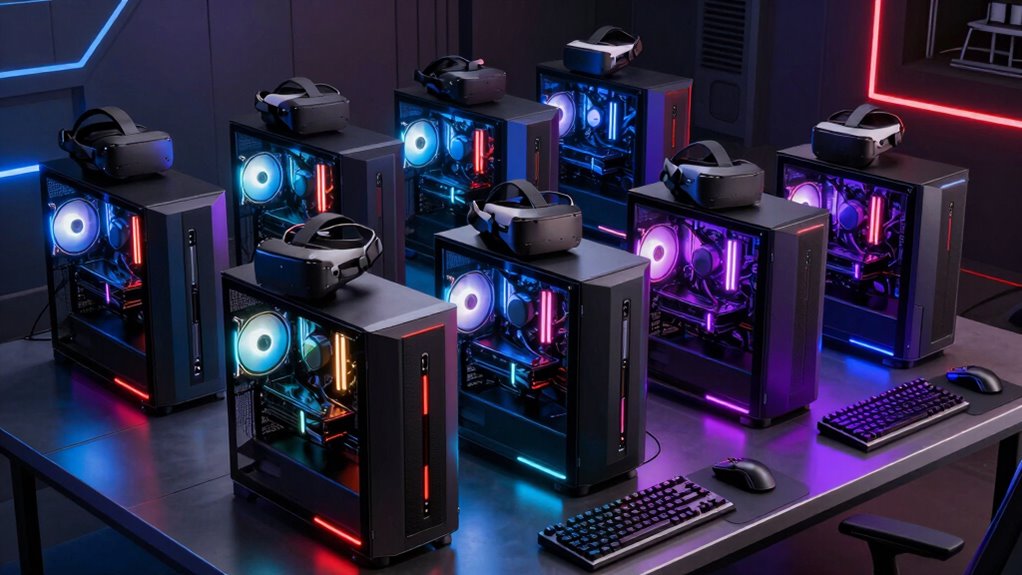
Virtual Reality (VR) is evolving, with more accessible standalone headsets now able to link to powerful PCs for enhanced experiences, making a strong GPU and ample RAM important for those dabbling in VR experiments. Free-to-play (F2P) titles remain incredibly popular, often monetizing through in-game purchases and battle passes. While F2P games generally have lower system requirements, a better PC ensures smoother performance, higher fidelity, and a competitive edge. Lastly, the influence of creators and streamers means many gamers also consider their PC's ability to handle simultaneous gaming, streaming, and content creation, pushing towards higher core count CPUs and more RAM. These trends highlight the need for versatile, powerful, and value-driven PC builds that adapt to various gaming and social needs.
How can I optimize my gaming PC for both performance and quiet operation?
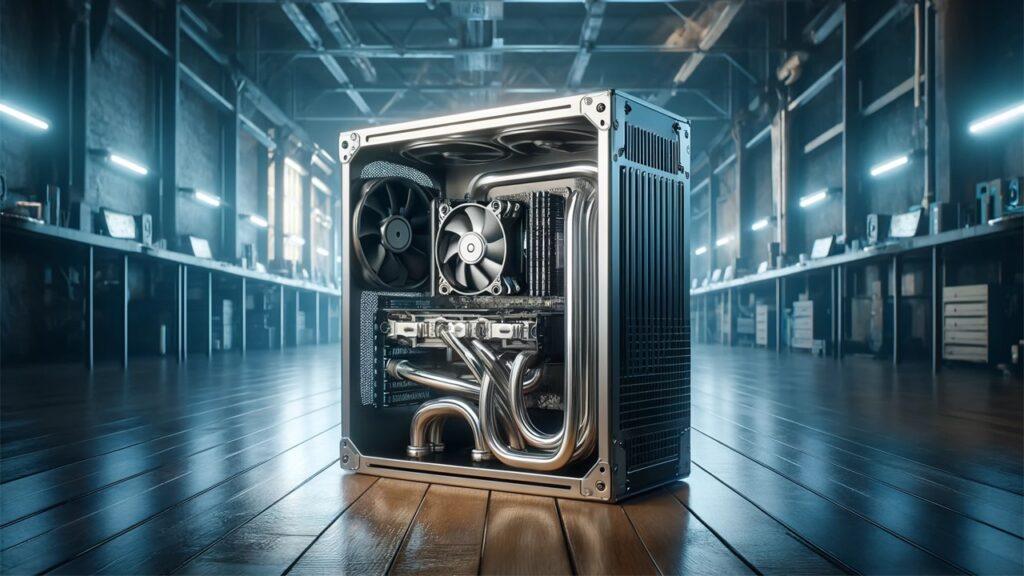
Achieving both top-tier performance and whisper-quiet operation in your "best gaming PC builds" requires thoughtful component selection and meticulous configuration. The main culprits for noise are fans (CPU cooler, case fans, GPU fans) and sometimes coil whine from the GPU or PSU. To minimize noise without sacrificing performance, prioritize efficient cooling solutions. A high-quality air cooler from brands like Noctua or be quiet! can often outperform cheaper liquid coolers in terms of noise-to-performance ratio. Alternatively, a good all-in-one (AIO) liquid cooler with larger radiators and quiet fans can be excellent.
For case fans, choose models known for low noise levels at high airflow, and ensure your case has good airflow design to begin with. Many modern cases come with sound-dampening panels. Configure fan curves in your motherboard's BIOS or through software utilities to run quietly during idle or light loads, only ramping up when temperatures demand it during intense gaming. Undervolting your CPU and GPU can significantly reduce heat generation and, consequently, fan speeds, often with negligible performance loss. Finally, invest in a power supply with a "zero RPM" mode, where the fan only spins under load. These steps ensure your powerful rig remains a pleasure to use, even during long gaming sessions, allowing you to focus on relaxation and fun rather than fan noise.
Are you one of the millions of US gamers, average age around 36, who finds themselves balancing intense raids or cozy co-op sessions with a demanding job, family responsibilities, and the general whirlwind of adult life? You're not alone. We all want that seamless, high-performance gaming experience to unwind, connect with friends on Discord, or sharpen our skills without constantly battling performance issues or feeling like our rig is already outdated. Recent data shows that 87% of US gamers regularly engage with their passion, often dedicating 10 or more hours a week, and a significant portion of that time is spent navigating the complexities of their hardware.
The good news is that building the best gaming PC in 2026 doesn't have to be a daunting task that eats into your precious free time or retirement fund. This comprehensive guide is designed for you: the pragmatic gamer who values performance, reliability, and value for money over unnecessary hype. We understand the pain points – from frustrating setup glitches and frame rate drops to the constant struggle of recommending games for limited play sessions and finding budget-friendly hardware upgrades. Forget the endless forum dives; we've distilled the essential knowledge you need to confidently approach the best gaming PC builds of today, ensuring your investment enhances your gaming life without adding extra stress. Let's build a machine that truly works for you, maximizing your fun and minimizing your worries, perfectly aligned with the evolving landscape of social gaming and cross-play trends shaping our digital lives this month.
What are the best gaming PC builds for different budgets in 2026?
Finding the perfect "best gaming PC builds" means aligning performance with your wallet. In 2026, the sweet spot for many lies in striking a balance between raw power and smart component choices. We'll categorize builds into three tiers: Entry-Level, Mid-Range, and High-End, acknowledging that even budget-conscious gamers desire smooth experiences in titles like Valorant, Apex Legends, or even some recent AAA releases. Remember, components are dynamic, but the principles of value remain constant.
- Entry-Level ($700-$1000): Focus on 1080p gaming at high refresh rates for esports titles or solid 60fps for less demanding AAA games. A Ryzen 5 7600 or Intel Core i5-14400F paired with an AMD Radeon RX 7600 XT or NVIDIA RTX 4060 provides excellent value. Aim for 16GB DDR5 RAM and a 1TB NVMe SSD. This build allows busy gamers to dive into popular social games and still experience good visuals without breaking the bank.
- Mid-Range ($1200-$1800): Ideal for 1440p gaming at high refresh rates, or 1080p ultra settings on almost any game. Consider a Ryzen 7 7700X or Intel Core i7-14700K CPU, combined with an RX 7800 XT or RTX 4070 Super. 32GB DDR5 RAM is highly recommended, alongside a 2TB NVMe SSD for ample game storage. This tier provides significant future-proofing and handles the majority of titles comfortably, perfect for gamers balancing life and wanting quality relaxation.
- High-End ($2000+): For uncompromised 4K gaming, high refresh rate 1440p, or VR experiences. Look at a Ryzen 9 7950X3D or Intel Core i9-14900K, paired with an RX 7900 XTX or RTX 4080 Super. 32GB or 64GB DDR5 RAM and a 2TB+ Gen 5 NVMe SSD are standard. These builds are for dedicated enthusiasts who want the absolute best performance and intend to stream or engage in demanding creative work alongside gaming, reflecting the creator/streamer influence common among today's gamers.
How do I choose the right CPU and GPU for my gaming PC build?
The CPU (Central Processing Unit) and GPU (Graphics Processing Unit) are the heart and soul of any gaming PC build, profoundly impacting performance. Your choice should reflect your target resolution, refresh rate, and the types of games you play. For instance, CPU-intensive games like strategy titles or simulators benefit from higher core counts and clock speeds, while most modern AAA games are heavily GPU-bound.
When selecting your CPU, consider current-generation Intel Core i5/i7/i9 or AMD Ryzen 5/7/9 processors. For gaming, a mid-range i5 or Ryzen 5 is often sufficient, but an i7 or Ryzen 7 offers better future-proofing and multitasking capabilities (like streaming). For GPUs, NVIDIA's RTX 40-series and AMD's Radeon RX 7000-series are the current powerhouses. Research benchmarks for the games you play most. If you're targeting 1080p, an RTX 4060 or RX 7600 XT is great. For 1440p, an RTX 4070 Super or RX 7800 XT is a solid choice. For 4K, you'll need an RTX 4080 Super or RX 7900 XTX. Balance is key; avoid pairing a top-tier GPU with a very old or weak CPU, as this can lead to a "bottleneck" where one component limits the other's potential, hindering overall performance optimization.
Is it really cheaper to build a gaming PC than to buy a pre-built one?
Historically, building a gaming PC almost always offered a better price-to-performance ratio than buying a pre-built system. This remains largely true in 2026, especially if you're comfortable sourcing components during sales and putting in the assembly time. When you build, you pay for each component directly, avoiding the "builder's premium" that pre-built companies charge for assembly, warranty, and sometimes proprietary parts. This allows for precise value for money. For gamers balancing jobs and families, this cost saving is often a significant factor.
However, the gap has narrowed slightly, particularly with reputable system integrators offering competitive deals, especially during major sales events. Pre-builts offer convenience, a single warranty point, and often pre-installed operating systems, which can save valuable setup time. The best approach for many busy adults is to research both options. Price out your ideal "best gaming PC builds" component-by-component, then compare that total with similar pre-built systems from well-regarded brands. You'll often find a modest saving by building yourself, plus the invaluable experience and understanding of your machine, aiding future troubleshooting and upgrades.
What are common setup issues and how can I avoid them?
Setting up a new gaming PC build can be a satisfying experience, but it's not without its potential headaches. One common issue is improper cable management, which can restrict airflow, making your system run hotter and louder, directly impacting performance. Another frequently encountered problem is incorrect driver installation, particularly for the GPU, leading to poor graphics performance or even system instability. Compatibility issues between components, like an unsupported CPU on a motherboard or incompatible RAM, also plague new builders. Even something as simple as failing to enable XMP/EXPO for your RAM in the BIOS can leave performance on the table.
To avoid these pitfalls, approach your build methodically. Before buying, use online compatibility checkers like PCPartPicker.com to ensure all your chosen components work together. During assembly, take your time with cable routing, using zip ties for a clean look and better airflow. After building, install Windows, then immediately download the latest drivers directly from your GPU, motherboard, and chipset manufacturers' websites. Don't rely solely on Windows Update. Finally, enter your BIOS (usually by pressing Del or F2 during boot) and enable XMP (Intel) or EXPO (AMD) for your RAM to ensure it runs at its advertised speed. These proactive steps minimize stress and maximize your gaming PC's performance from day one, giving you more time for actual gaming and less for troubleshooting.
How do I balance high performance with a limited budget for my gaming PC?
Balancing high performance with a limited budget for your "best gaming PC builds" in 2026 is an art form. The key is strategic prioritization. The GPU typically accounts for the largest portion of your budget, and for good reason—it's the primary determinant of in-game frame rates. Therefore, allocate the majority of your funds here, even if it means scaling back slightly on other components initially. For example, opting for a previous generation CPU that still offers excellent gaming performance (like a Ryzen 5000 series or Intel 12th/13th gen) can free up funds for a better GPU.
Don't skimp on the power supply unit (PSU) or case, as these provide stability and longevity, but you don't need top-tier unless you're planning extreme overclocks. A reliable 80 Plus Bronze or Gold rated PSU from a reputable brand is usually sufficient. For storage, start with a smaller, faster NVMe SSD (500GB-1TB) for your OS and main games, and add a larger, slower HDD or SATA SSD later if needed. RAM is crucial but 16GB of DDR4 or mid-speed DDR5 is ample for most games; 32GB can be an easy upgrade down the line. Look for sales, buy components one at a time when they are discounted, and consider quality used parts for non-critical components like cases or CPU coolers. This careful allocation ensures you get the most gaming bang for your buck, a common concern for adults balancing gaming with life's other expenses.
What are the top gaming trends influencing PC builds this month?
The gaming landscape in 2026 is vibrant, with several trends significantly influencing "best gaming PC builds." Cross-play and social gaming continue their dominance, with many popular titles like Fortnite, Call of Duty, and even newer cozy games offering seamless interaction across platforms. This means a stable internet connection and robust CPU for managing background applications (like Discord) are as crucial as raw graphics power. Mobile gaming remains a massive sector, but PC gaming thrives by offering experiences beyond what phones can provide, often through elaborate graphics or competitive esports. Esports viewing continues to grow, driving demand for high refresh rate monitors and powerful GPUs to match.
Virtual Reality (VR) is evolving, with more accessible standalone headsets now able to link to powerful PCs for enhanced experiences, making a strong GPU and ample RAM important for those dabbling in VR experiments. Free-to-play (F2P) titles remain incredibly popular, often monetizing through in-game purchases and battle passes. While F2P games generally have lower system requirements, a better PC ensures smoother performance, higher fidelity, and a competitive edge. Lastly, the influence of creators and streamers means many gamers also consider their PC's ability to handle simultaneous gaming, streaming, and content creation, pushing towards higher core count CPUs and more RAM. These trends highlight the need for versatile, powerful, and value-driven PC builds that adapt to various gaming and social needs.
How can I optimize my gaming PC for both performance and quiet operation?
Achieving both top-tier performance and whisper-quiet operation in your "best gaming PC builds" requires thoughtful component selection and meticulous configuration. The main culprits for noise are fans (CPU cooler, case fans, GPU fans) and sometimes coil whine from the GPU or PSU. To minimize noise without sacrificing performance, prioritize efficient cooling solutions. A high-quality air cooler from brands like Noctua or be quiet! can often outperform cheaper liquid coolers in terms of noise-to-performance ratio. Alternatively, a good all-in-one (AIO) liquid cooler with larger radiators and quiet fans can be excellent.
For case fans, choose models known for low noise levels at high airflow, and ensure your case has good airflow design to begin with. Many modern cases come with sound-dampening panels. Configure fan curves in your motherboard's BIOS or through software utilities to run quietly during idle or light loads, only ramping up when temperatures demand it during intense gaming. Undervolting your CPU and GPU can significantly reduce heat generation and, consequently, fan speeds, often with negligible performance loss. Finally, invest in a power supply with a "zero RPM" mode, where the fan only spins under load. These steps ensure your powerful rig remains a pleasure to use, even during long gaming sessions, allowing you to focus on relaxation and fun rather than fan noise.
What are essential tips for maintaining my gaming PC build for longevity?
Maintaining your "best gaming PC builds" isn't just about preserving performance; it's about extending the life of your significant investment. Regular cleaning is paramount. Dust accumulation is the enemy of electronics, acting as an insulator and hindering airflow, leading to higher temperatures and reduced component lifespan. Every 3-6 months, power down your PC, unplug it, and use compressed air to clear dust from fans, heatsinks (CPU and GPU), and power supply vents. Hold fans in place while spraying to prevent damage to their bearings.
Software maintenance is equally crucial. Keep your operating system (Windows) updated, along with all drivers, especially your GPU drivers. Use reputable antivirus software. Regularly uninstall programs you no longer use and clear temporary files. Monitor your system's temperatures using software like HWMonitor or MSI Afterburner to catch potential overheating issues before they become critical. Consider reapplying thermal paste to your CPU every few years, especially if you notice rising temperatures. Finally, ensure your power supply is connected to a surge protector to guard against electrical spikes. These simple practices will keep your gaming rig running smoothly and efficiently for years, allowing you to enjoy your games and social connections without unnecessary interruptions.
Can I use my gaming PC for work and streaming too?
Absolutely, one of the greatest advantages of investing in one of the "best gaming PC builds" is its versatility, making it a powerful workstation for both professional tasks and content creation like streaming. Modern gaming CPUs, especially mid to high-end options from Intel (i7, i9) and AMD (Ryzen 7, Ryzen 9), boast multiple cores and threads, making them excel at multitasking, video editing, 3D rendering, and running demanding professional software. The powerful GPUs designed for gaming also shine in tasks requiring graphical acceleration, such as video encoding, CAD, or machine learning applications.
For streaming, these builds are perfectly equipped. A good gaming CPU with ample cores can handle the game, streaming software (like OBS Studio), and communication apps (like Discord) simultaneously without performance dips. Many modern GPUs also feature dedicated encoding chips (like NVIDIA's NVENC or AMD's AMF) that can offload the encoding process from the CPU, ensuring smooth gameplay and high-quality streams. Adding more RAM (32GB is recommended for serious streamers/creators) and fast, large SSDs further enhances performance. This versatility makes a gaming PC an excellent all-in-one solution for busy individuals who want to unwind with games, pursue creative passions, or tackle work projects efficiently.
How do I ensure my gaming PC build is future-proof for upcoming titles?
True "future-proofing" is an elusive goal in the rapidly evolving world of PC hardware, but you can certainly make choices for your "best gaming PC builds" that maximize its relevance for upcoming titles. The most impactful component for longevity is usually the GPU. Invest in the best graphics card you can reasonably afford within your budget, as it will often be the first component to show its age. Opting for a GPU with ample VRAM (e.g., 12GB or more for 1440p/4K) is crucial, as modern games are increasingly VRAM hungry. For example, recent major titles often push VRAM limits, making higher capacities more valuable this month.
Next, choose a CPU from a current-generation platform (e.g., AMD's AM5 or Intel's LGA 1700/1851) that supports DDR5 RAM. While you might start with a mid-range CPU on that platform, the ability to upgrade to a more powerful processor (like a future Ryzen X3D or next-gen Intel i7/i9) on the same motherboard provides a clear upgrade path without needing a full system overhaul. A robust power supply with extra wattage headroom (e.g., 750W-850W for a mid-range build, 1000W+ for high-end) allows for more powerful GPU upgrades down the line. Finally, don't skimp on a fast NVMe SSD for game installations, as loading times are becoming increasingly important for immersion in new titles. These strategic investments ensure your PC remains a capable performer for years to come, letting you stay current without constant rebuilds.
Navigating the world of "best gaming PC builds" in 2026 as a busy adult doesn't have to be a source of stress. By focusing on smart component choices, understanding your budget, and prioritizing what truly matters for your gaming habits, you can create a powerful, efficient, and reliable machine. We've covered everything from balancing costs and performance to avoiding common setup woes and future-proofing your investment. Remember, your PC is more than just a collection of parts; it's your portal to relaxation, social connections, skill development, and pure fun. By taking control of your build, you ensure it perfectly aligns with your lifestyle and gaming aspirations, providing maximum value and minimal headaches. Now that you're armed with this knowledge, go forth and build with confidence!
What's your biggest gaming challenge when it comes to PC hardware or balancing gaming with life? Comment below and let's keep the conversation going!
What's the ideal RAM for gaming in 2026?
For most "best gaming PC builds" in 2026, 32GB of DDR5 RAM running at 6000MT/s to 6400MT/s with low latency (CL30-CL32) is the sweet spot. While 16GB is still sufficient for many titles, 32GB provides ample headroom for multitasking, future games, and ensures smoother experiences in demanding open-world or simulation titles without needing to close background apps.
Should I go with Intel or AMD for my CPU?
Both Intel and AMD offer excellent CPUs for "best gaming PC builds" in 2026. AMD's Ryzen X3D series (e.g., 7800X3D, 7950X3D) often holds a slight edge in pure gaming performance due to their 3D V-Cache technology. Intel's latest Core i7 and i9 processors excel in overall productivity and streaming while still offering superb gaming capabilities. The choice often comes down to specific game benchmarks and whether you prioritize gaming exclusively or a mix of tasks, including work.
Is liquid cooling necessary for a high-end build?
While not strictly necessary, liquid cooling (specifically AIO or custom loops) is highly recommended for high-end "best gaming PC builds" in 2026, especially for top-tier CPUs like the Intel i9-14900K or AMD Ryzen 9 7950X3D. These powerful processors generate significant heat, and liquid coolers often provide superior thermal performance, allowing for higher boost clocks and quieter operation compared to even the best air coolers. For mid-range builds, a good air cooler is often perfectly adequate and more cost-effective.
How often should I clean my PC?
For "best gaming PC builds," a thorough cleaning every 3 to 6 months is recommended to prevent dust buildup. Use compressed air to remove dust from fans, heatsinks, and vents. More frequent cleaning might be necessary if you live in a dusty environment or have pets. Regular cleaning helps maintain optimal temperatures, ensuring consistent performance and extending the lifespan of your components, a key aspect for busy gamers wanting their investment to last.
What power supply wattage do I need?
The PSU wattage needed for your "best gaming PC builds" depends directly on your chosen CPU and GPU. For a mid-range build with an RTX 4070 Super or RX 7800 XT, a 750W to 850W power supply is generally sufficient. For high-end builds with an RTX 4080 Super or RX 7900 XTX, 850W to 1000W+ is safer to ensure stability and provide headroom for future upgrades. Always use a reputable PSU wattage calculator and add a small buffer.
Can I really install Windows myself?
Yes, installing Windows for your "best gaming PC builds" is straightforward. You'll need a USB drive (at least 8GB) and access to another computer to download the Windows Media Creation Tool. This tool will make your USB drive bootable with the Windows installer. During your PC's first boot, select the USB drive, and follow the on-screen prompts. It's a guided process, making it accessible even for first-time builders and a key step in customizing your new rig.
Cost-effectiveness through DIY building; Customization for specific gaming and work needs; Optimized performance with latest 2026 hardware; Budget-friendly upgrade paths for longevity; Solutions for common PC setup and performance issues; Balancing high-end gaming with busy adult life; Staying current with trending games and technologies including social play and cross-platform experiences.
35

Best Gaming PC Builds For 2026 Best Gaming PC Builds For 2026.webp. The Best Gaming PC Of 2026 Top Prebuilt Desktops Gaming Pc . 8 Best Gaming PCs For 2026 Ultimate Buyer S Guide Best Gaming Pc The Apex Titan 2026.webp. 109 Best PC Builds The Top New Gaming Setups Custom PC . The Best Presidents Day 2026 Gaming PC Laptops And Component Deals


Best Budget Gaming PC Builds For 2026 500 800 Best Budget Gaming PC Builds For 2026.webp. The Best Gaming PC Builds For 2026 Top Picks And Reviews Best Pc Build . Best Budget Gaming PC Builds UK 2026 Under 800 Thumb Best Mid Range Gaming Pc Builds Uk 2026 . Best Gaming PC Builds Under 1500 In 2026 Tested Ranked Best Gaming PC Builds Under 1 500 2. Best PC Builds For Gaming 2026 Ultimate Guide To Building Your Dream Best PC Builds For Gaming 2026 1024x683


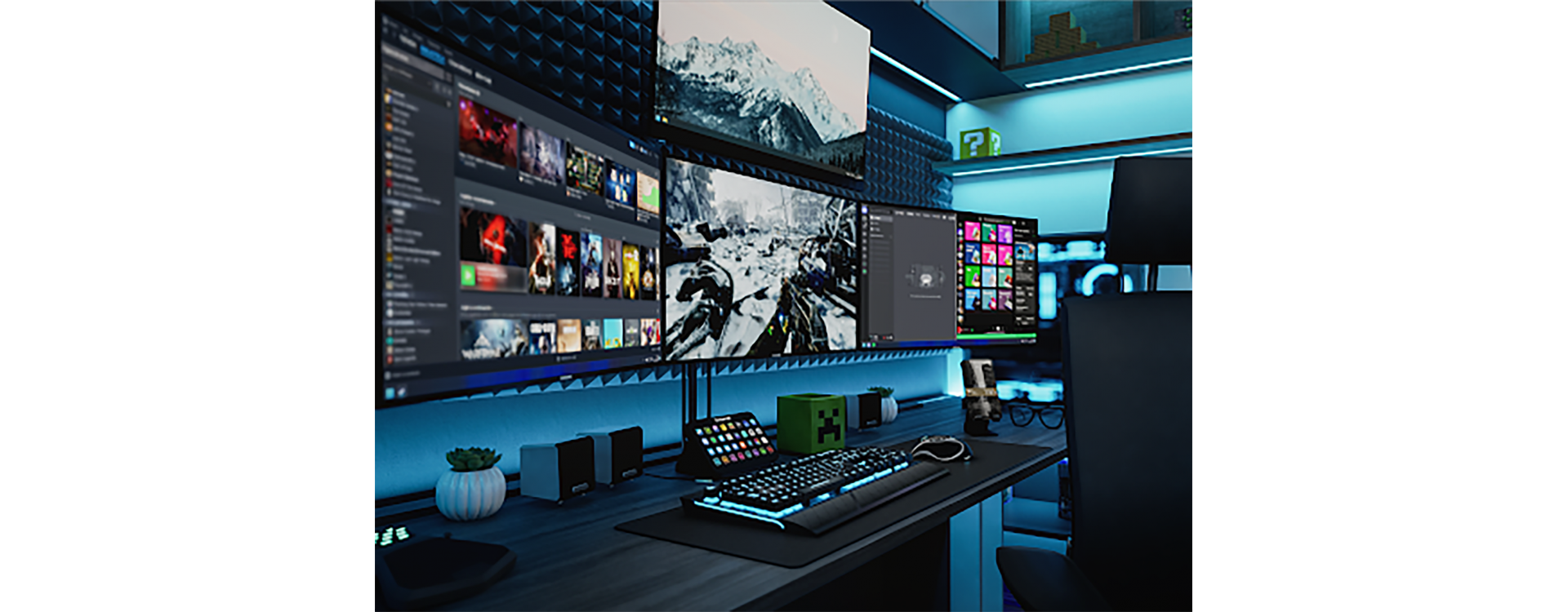
Best Gaming PC Builds Under 1500 In 2026 Tested Ranked Best Gaming PC Builds Under 1 500.webp. The Best Budget Gaming PC Build For 600 In 2026 PC Game Haven Ebook Preview 963x1024 . Best Gaming PC Builds 2026 Com Gaming Pc . Best 800 Gaming PC Build 2026 The Sweet Spot For 1080p Best 800 Gaming Pc Build 2026 . The Ultimate Gaming PC Build 2026 Guide By Xidax 1 Unnamed
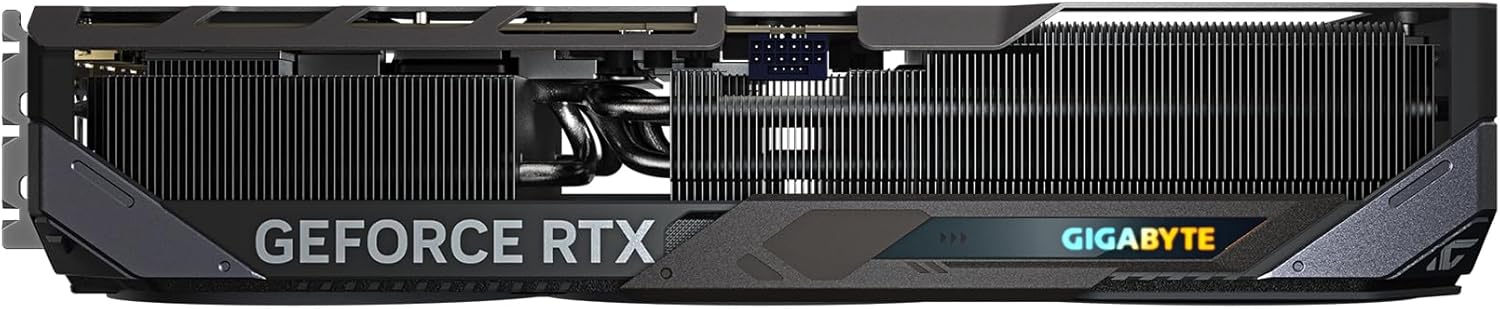


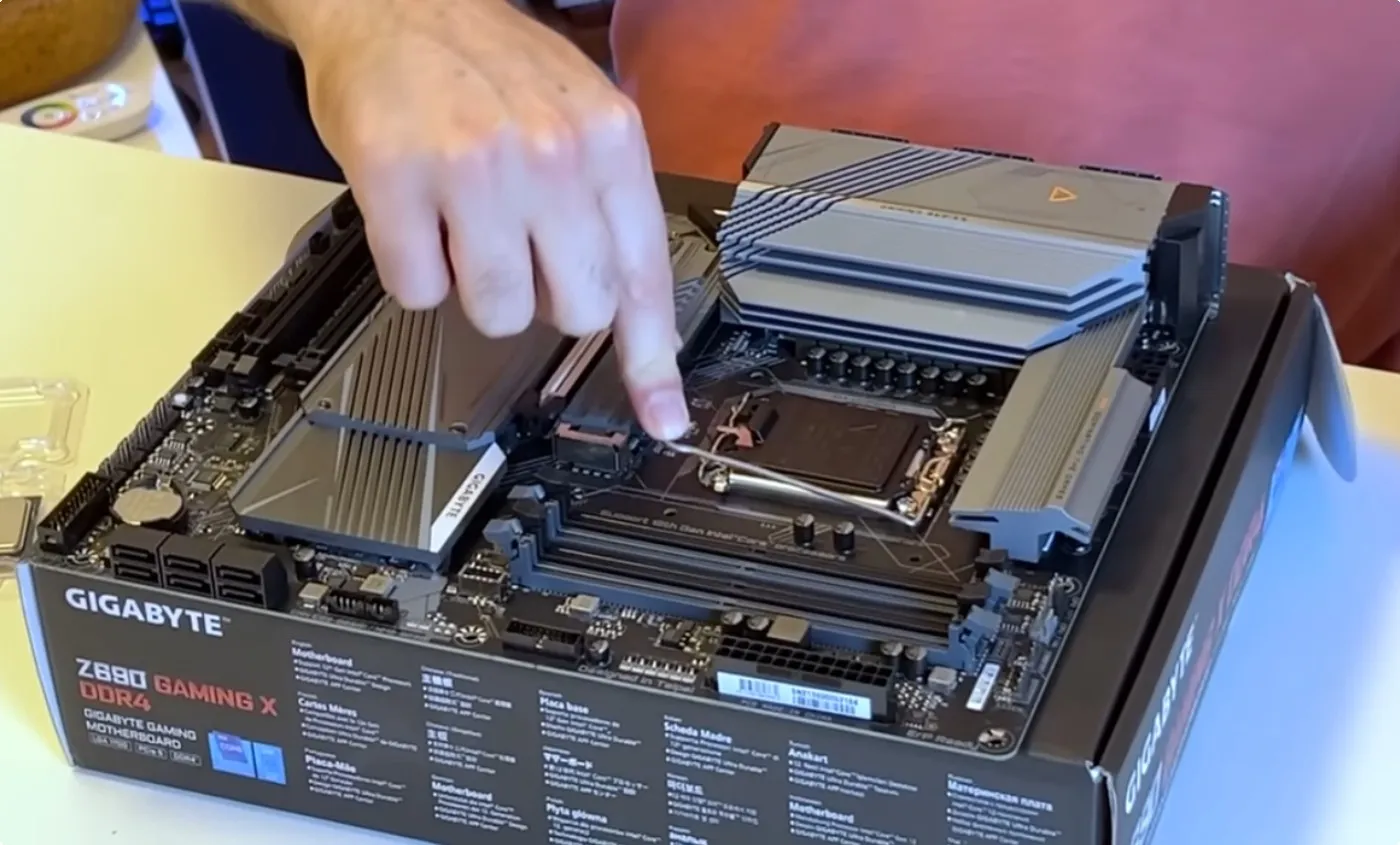

Best 2500 Gaming PC Build For 4K 2026 LoadedRig Best 2500 Gaming Pc Build 2026 RTX . Best Gaming PC Build April 2026 Updated Picks For Every Budget Best Gaming Pc Build April 2026 . Best Gaming PC Builds 2026 Budget Guide IMG 0195 . Best Gaming PC Builds For Every Budget 2026 Pc Builds For Every Budget.webp. Best 1440p Gaming PC Build 2026 Smooth 100 FPS Performance Without 1536x1024



Best 750 Gaming PC Build For 2026 Smooth Gaming PC Guru Best Itx Gaming Pc Build 2026 800x500 . What Was The Top PC Gaming Experience Best Gaming Desktops . Best Gaming PC Build For Every Budget May 2026 Best Gaming Pc Build Every Budget 2026 . Top Gaming PC Builds Master The Hardware Game In 2026 Gaming Setup . Best Budget Gaming PC Build 2026 Affordab Gaming PC Guru Console Rog Ally X Accessories Gpcg



7 Best Gaming PCs Of 2026 Power Performance And Value Revealed Top Gaming Pcs 2026 1lmv2 . 12 Best Gaming PC Under 500 In 2026 Tested Reviewed Best AIO Liquid Coolers For High Performance Gaming PC Builds 1024x576 . Best Gaming PC Build Under 1 Lakh 2026 Ultimate Performance Combo 1 Lakh Gaming PC Build 2026 Biggest Mistake To Avoid Copy 2 1 . 8 Best Gaming PC Builds Under 500 June 2026 Expert Tested Fccj Best Gaming PC Builds Under 500 1024x559 . Best Gaming PC Builds For 2026 GIGABYTE B850 Gaming X 150x150

Mid Range PC Build Guide 2026 Best Gaming Workstation Setup In Gemini Generated Image . Best Gaming PC Builds For Every Budget 2026 High End Gaming Pc. 15 High End VR Ready Gaming PC Builds For 2026 That Elevate Gaming Premium 2026 Gaming Pc Builds L8j52 . Best Budget Gaming PC In 2026 Build Smart Play Better Best Budget Gaming PC Builds For 2026. Best Gaming PC Build Under 2 Lakh India 2026 1440p And 4K Best PC Build Under 25000 In India