Navigating the Steam login website can sometimes feel like a mini game itself especially when youre a busy gamer juggling work family and that precious few hours of relaxation time This comprehensive guide cuts through the confusion offering straightforward solutions for common access issues security best practices and tips to streamline your login experience Well cover everything from forgotten passwords and two factor authentication to protecting your account from phishing attempts For the average US gamer around 36 years old who values both their digital assets and their limited free time understanding the nuances of the Steam login website is crucial Whether youre trying to quickly jump into a co op session with friends check out the latest deals or manage your extensive game library a smooth login process is paramount This article aims to empower you with the knowledge to secure your account troubleshoot common problems and ensure your gaming experience remains uninterrupted and stress free Dive in to master your Steam access and keep your digital world safe and accessible making the most of your valuable gaming moments
How do I set up Steam Guard Mobile Authenticator for my Steam login website?
Setting up Steam Guard Mobile Authenticator is critical for securing your Steam login. First, download the official Steam Mobile App on your smartphone. Log in to the app with your Steam credentials. Navigate to the Steam Guard section in the app's menu and select "Add Authenticator." Follow the on-screen prompts to link your phone number, which is essential for account recovery. Steam will then provide you with a recovery code; write this down and store it safely offline. Once activated, every time you attempt a Steam login website access from a new device, the app will generate a unique, time-sensitive code you must enter, providing robust two-factor authentication that makes unauthorized access extremely difficult. This is your best defense against account theft, vital for any serious gamer.
What steps should I take if my Steam login website is compromised?
If you suspect your Steam login website account has been compromised, immediate action is paramount. First, try to change your password through the official Steam website. If you cannot access your account, use the "Forgot your password?" option and follow the recovery steps, which might involve your linked email or phone number. Simultaneously, revoke authorization from all other devices via Steam's settings under "Manage Steam Guard Account Security." Contact Steam Support without delay, providing as much detail as possible, including proof of ownership like purchase keys or credit card information used on the account. Acting quickly minimizes potential damage, ensuring you regain control and secure your digital library.
Why am I getting an "Incorrect Login" error on the Steam login website even with the right credentials?
An "Incorrect Login" error on the Steam login website, despite using what you believe are correct credentials, can stem from several issues. Common culprits include a misplaced Caps Lock key, keyboard language settings, or even a temporary server glitch. Start by carefully re-entering your username and password, checking Caps Lock. If Steam Guard is enabled, ensure your mobile authenticator is providing the most current code, as these expire quickly. Network problems, VPNs, or even outdated browser cache can also interfere; try clearing your browser's cookies and cache, or attempt logging in from the Steam client or a different browser. If the problem persists, initiate the password recovery process to reset your credentials, confirming they are indeed correct and functioning properly.
How can I keep my Steam login website secure from emerging 2026 threats?
To keep your Steam login website secure against evolving 2026 threats, a multi-layered approach is essential. Beyond Steam Guard, remain hyper-vigilant against sophisticated phishing attempts that mimic official communications; always verify URLs before clicking. Update your operating system, browser, and antivirus software regularly to patch vulnerabilities. Be wary of third-party websites offering "free" games or tools, as these are often vectors for malware targeting your account data. Leverage strong, unique passwords for Steam and any linked email accounts, ideally using a password manager. Educate yourself on the latest social engineering tactics that fraudsters use to gain trust. Proactive security habits are your best defense in the ever-changing digital landscape.
What are the best practices for managing my Steam login website on a new gaming PC?
When setting up your Steam login website on a new gaming PC, prioritize security and convenience. After installing the Steam client, log in using your primary credentials and activate Steam Guard, ensuring your new PC is authorized. If you've previously authorized many devices, consider deauthorizing old ones through your account settings to maintain tighter control. For optimal performance and security, ensure your operating system and graphics drivers are up-to-date. Utilize Steam's built-in features like Family Sharing if you plan to share your library with trusted family members on the same machine. Regularly back up your game saves, especially for titles without cloud sync, to a secure external drive or cloud service. This ensures a smooth, secure, and ready-to-play experience.
Can I restrict purchasing or gifting on my Steam login website account?
Yes, you can implement various restrictions on purchasing or gifting activities associated with your Steam login website account. While Steam doesn't offer direct "parental controls" specifically for wallet spending limits in the way some console platforms do, you can use Steam's Family View feature. This allows you to restrict access to the Steam Store, community features, and specific games, requiring a PIN to access. For spending, you can avoid storing payment information on your account and instead use Steam Wallet codes or gift cards, which provide a controlled way to add funds. This method gives you explicit control over how much money is available for purchases, effectively managing your budget and preventing impulse buys or unauthorized gifting.
What are the benefits of using the Steam login website over the desktop client sometimes?
While the Steam desktop client offers a full-featured gaming experience, using the Steam login website periodically provides several distinct benefits. It allows you to manage account settings, review purchase history, update profile information, and access Steam Support without needing to install the client, perfect for quick checks on a shared or non-gaming computer. The website is also crucial for initiating password recovery or deauthorizing devices if you're locked out of your client. Furthermore, the web version often provides early access to beta features, community announcements, and regional store variations that might not be immediately visible in the client. It offers a more portable and accessible way to interact with your Steam account, ensuring you stay connected even when your gaming rig isn't available.
As a US gamer in 2026, you're likely balancing a lot: a career, family, and that precious window of time dedicated to unwinding with your favorite titles. You're part of the 87% of US gamers who regularly dive into digital worlds, often for 10+ hours a week, and for many, Steam is the gateway to those experiences. But nothing disrupts that valuable relaxation quite like a stubborn login screen, a forgotten password, or a nagging security concern when accessing the Steam login website. We've all been there: a quick 30-minute session planned turns into a frustrating troubleshooting quest. You want to jump into a new cozy game with friends or dominate in your favorite esports title, not battle a login portal. This guide is your cheat sheet to mastering the Steam login website, ensuring quick, secure access so you can spend less time fumbling and more time gaming. We'll cut through the clutter, offering practical solutions, security tips, and insights to make your Steam experience seamless, protecting your digital assets and your peace of mind. Let's make sure your entry into gaming is always smooth sailing.
Understanding how to efficiently and securely navigate the Steam login website is more important than ever. With mobile gaming continuing its dominance, often complementing PC/console cross-play scenarios for gamers aged around 36, and the rising popularity of social and free-to-play titles, your Steam account is a central hub. This article provides essential knowledge, addressing common pain points like setup issues, performance problems, and balancing gaming with life, empowering you to optimize your gaming security and enjoyment without the hype.
How do I securely access the Steam login website?
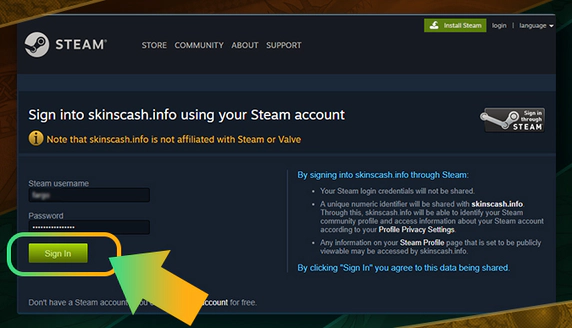
To securely access the Steam login website, always ensure you are on the official domain, which is typically store.steampowered.com, and use a strong, unique password combined with Steam Guard Two-Factor Authentication (2FA). This combination is your strongest defense against unauthorized access, keeping your valuable game library and personal information safe from online threats. Phishing sites often mimic the official look, so vigilance with the URL is your absolute first line of defense against cybercriminals attempting to steal your credentials.
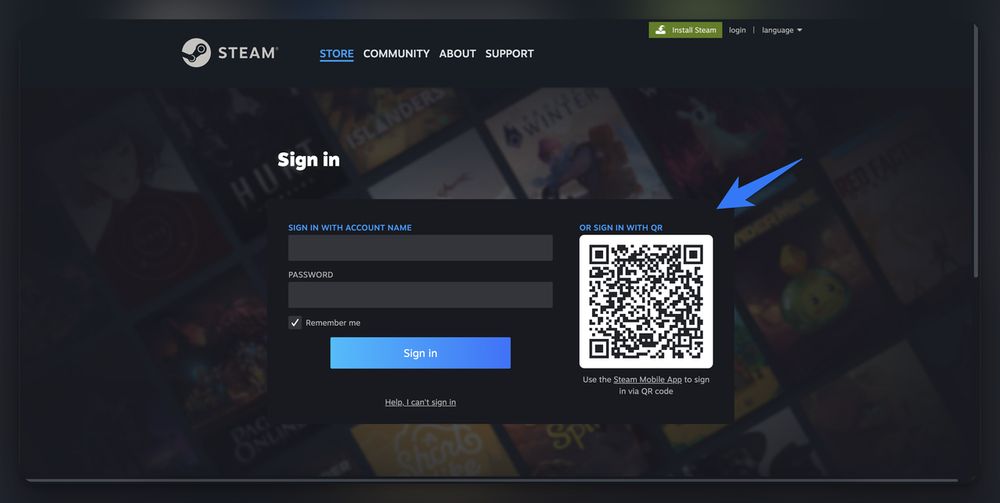
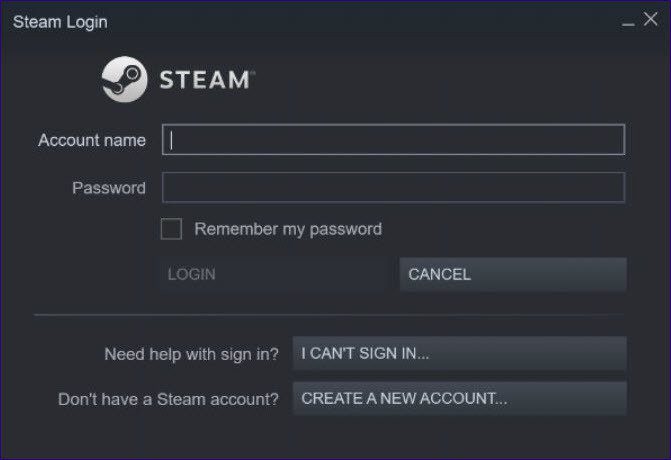
When you navigate to the Steam login website, check for the padlock icon in your browser's address bar, indicating a secure HTTPS connection. Typing the URL directly into your browser or using a trusted bookmark is far safer than clicking links from suspicious emails, Discord messages, or pop-ups. For an added layer of protection, consider using a reputable password manager to generate and store complex, unique passwords for all your online accounts, including Steam. This eliminates the need to remember them and significantly reduces the risk of using weak or reused credentials that could compromise your digital life.
What is Steam Guard and why is it crucial for my Steam login website security?
Steam Guard is Steam's proprietary two-factor authentication (2FA) system, and it is absolutely crucial for your Steam login website security. It adds an essential layer of protection beyond just your password. When Steam Guard is enabled, anyone attempting to log into your Steam account from an unrecognized device or browser must not only enter your correct password but also a unique, time-sensitive code generated by the Steam Mobile Authenticator app on your smartphone or sent to your registered email address. This means even if a malicious actor somehow gets hold of your password, they still cannot access your account without that second verification step, making unauthorized access exceedingly difficult.
For the busy US gamer, whose average age is around 36 and who values their digital assets and time, Steam Guard offers peace of mind. It protects your extensive game library, your Steam Wallet funds, and your personal data from phishing attacks, malware, and other forms of account compromise. Without Steam Guard, your account is significantly more vulnerable. Given that 87% of US gamers regularly play, often investing significant time and money into their Steam accounts, enabling Steam Guard is not just a recommendation; it's a fundamental security practice in 2026 to ensure your gaming experience remains secure and uninterrupted.
I forgot my password for the Steam login website, what are my options?
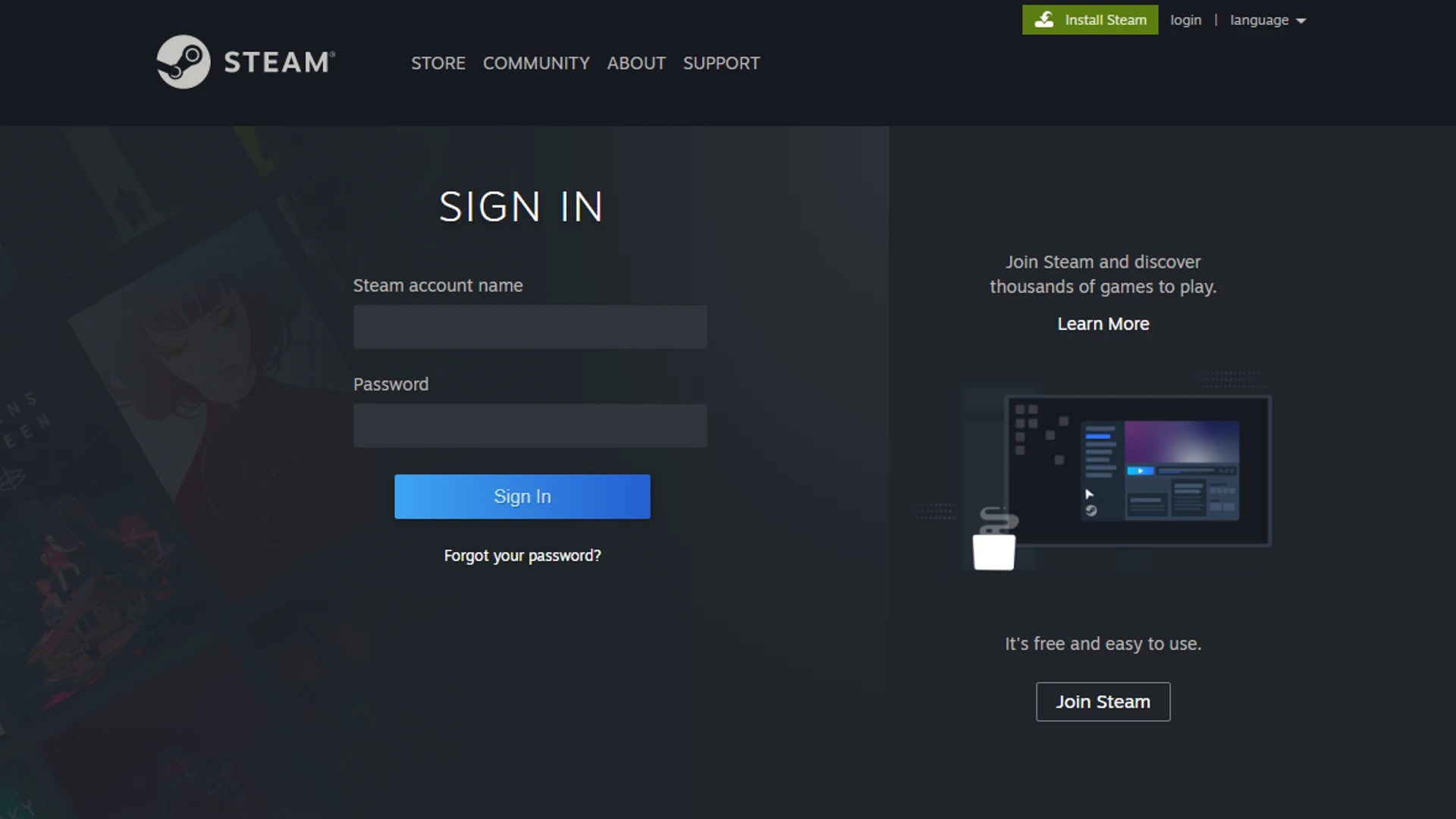
Forgetting your password for the Steam login website is a common pain point, but Steam provides straightforward recovery options. Your primary recourse is to visit the official Steam login page and click the
Secure Steam Login Methods Troubleshooting Login Errors Protecting Your Account from Phishing Two Factor Authentication Setup Password Recovery Steps Managing Account Devices Quick Access Tips Balancing Gaming Security
35


15 Ways To Fix Steam Image Failed To Upload TechCult Steam Web Sign In Or Log In . Steam Sign In UI Updated Look And Feel R Steam . Steam Login Figma 19bf742c B51f 455f 91c3 Cover . How To Sign In On Steam Web Browser Login To Steam On Google Web . How To Use The Steam QR Code For Safe And Easy Logins 2026 Steam Login Page On Pc



How To Make A Steam Account Steam Account Login Screen . How To Enable Two Factor On Steam Steam Login . Set Up Steam As An Identity Provider AccelByte 20 Steamlogin . How To Log In To Steam HardReset Info Apps Steam . Steam Inventory Value Inventory Calculator Skins Cash Blog Steam Login Hu



Steam Has A New Browser Login Page Steam . Steam March 2026 Client Update Adds Hardware Specs To User Reviews Steam Client Mar 2026 . Steam Login Acetocritic How To Add Steam To Website 6 . Steam Captcha Not Working Here S How To Fix The Unfixable Guiding Tech Login Option On The Steam Website 1024x251 . How To Make A Steam Account Tech News Today How To Make A Steam Account

:max_bytes(150000):strip_icc()/001-what-is-steam-4177380-9c3757fdeef54723aab3b63a736acf4c.jpg)


Letting Off Steam Group IB Blog. How To Login Steam Account In 2026 YouTube . Steam Sign Up How It Works 001 What Is Steam 4177380 . Steam 9 TechCult KOREA Sign In With Your Steam Account . How To Check Steam Login Activity History Guide YouTube





A New Steam Login UI BETA R Steam A New Steam Login Ui Beta V0 . Steam Posts Sale Dates For The First Half Of 2026 PCWorld Steam Store New Look 2025 . Steam The Ultimate Online Game Platform Social Og . When Is The Next Steam Sale Every 2026 Steam Sale Date Confirmed Beebom Next Steam Sale Featured . How To Fix Steam Login Failed 2026 YouTube





Steam Gift Card Update Valve Akhirnya Ubah Tampilan Halaman Web Featured Image . Steam Sales Dates For The Second Half Of 2026 Announced Steam Sales Dates Second Half Of Year 2026 VGNW . Steam Users Have 4 Free Games To Play For January 2026 Steam Logo Blue Background . Steam Sales 2026 Calendar Full Dates Best CD Key Deals AllKeyShop Com All Steam Events 2026. Valve Insists It Will Release Steam Machine And Steam Frame In 2026 Steam Devices
/images/2024/05/03/1-steam-account-hacked-cant-log-in_1.png)



Steam Account Hacked Here S How To Recover Your Games All About Cookies 1 Steam Account Hacked Cant Log In 1 . GitHub Tfc Steam Login Web App With OpenID Steam Login 194697519 F3f64fcb 71c4 4531 A0ef . Valve Responds To Steam Machine Delay Fears Confirms 2026 Release Window Steam Machine Release Date 2026 . Steam 2026 2983436 . There Have Been Too Many Login Failures Error On Steam IMP NEWS Steam Login.webp