Ever wondered why some games mysteriously vanish from Steam? This comprehensive guide dives into the intriguing world of banned Steam games, exploring the complex reasons behind their removal and the impact on dedicated players like you. For gamers who meticulously balance work, family, and precious leisure time, understanding platform policies and game permanence is crucial. We will cover everything from legal battles and developer misconduct to content violations, offering practical advice on how bans affect your existing library and what alternatives exist. Drawing on recent US gaming trends, this article aims to demystify the digital landscape, ensuring you can continue to enjoy your passion without unnecessary frustration or lost investments. Prepare to gain insights into Valve's moderation processes and learn how to navigate the evolving digital storefront with confidence and clarity, saving you time and money.
Q: What exactly classifies a game as a "banned Steam game"?
A: A banned Steam game refers to a title that Valve, the operator of the Steam platform, has actively removed from its storefront, making it unavailable for new purchases. This can happen for various reasons, including legal issues, severe policy violations, developer misconduct, or offensive content.
Q: If I own a banned Steam game, can I still play it?
A: Generally, yes. If you purchased and installed a game before it was banned, it often remains in your Steam library, and you can still download and play it. However, online functionalities, updates, or access to community features might be impacted or cease to function if the developer abandons the game or its servers.
Q: What are the most common reasons Valve bans games from Steam?
A: Valve's reasons for banning games are diverse. Frequent causes include copyright infringement, abusive behavior from developers (e.g., review manipulation, asset flipping), containing illegal content (child abuse imagery), severe policy violations regarding hate speech or real-world violence, or simply being "broken" and unfixable. Sometimes, games are removed due to legal disputes or developer requests.
Q: Are there any official lists or resources tracking banned Steam games?
A: Valve does not maintain a public, official list of banned Steam games. However, community-driven databases and gaming news sites often track these removals, providing context and details. Websites like SteamDB and various gaming forums are good places to search for information on specific titles that have disappeared from the storefront.
Q: Can a banned Steam game ever return to the platform?
A: It's extremely rare for a permanently banned Steam game to return. If a game was temporarily removed for a fix or a minor policy adjustment, it might reappear. However, for severe infractions like illegal content or major developer misconduct, the ban is typically permanent. Legal resolutions or substantial developer changes would be required for any reconsideration.
Q: How do game bans impact the value or collectibility of digital games?
A: Unlike physical media, digital games, even banned ones, rarely gain significant "collectible" value in the traditional sense, as they remain tied to your Steam account. While they become rarer to acquire, they don't appreciate financially. Their value becomes more about their historical significance or the unique experience they offer to existing owners.
Q: What should I do if a game I love gets banned on Steam?
A: First, check if you still own and can play the game from your library. If it was an online-only title, its functionality might be severely limited. Consider looking for community patches, offline alternatives, or spiritual successors. Sometimes, developers re-release games on different platforms or as DRM-free versions if the ban was specific to Steam's policies rather than a legal issue.
Gamers, picture this: you've heard whispers of a fascinating new title, maybe one with a unique premise or a strong cult following. You head to Steam, ready to add it to your wishlist or even hit that "buy" button, only to find... nothing. The game is gone. Vanished. Or perhaps you already own a game, spent hours in its world, and suddenly news breaks that it's been pulled from the storefront. Welcome to the often-confusing, sometimes frustrating, world of the banned Steam game. This isn't just about controversial art; it's about consumer rights, platform policies, and the digital permanence of our beloved entertainment. For many of us balancing jobs, families, and life, our gaming time is precious. We invest not just money, but our valuable leisure moments. So, when a game disappears, it raises serious questions about our investments and access. In 2026, with 87% of US gamers regularly diving into virtual worlds, often for 10+ hours a week across mobile and PC, understanding why games vanish and what that means for you is more crucial than ever. This guide is designed to demystify the topic, offering clear, practical insights into what constitutes a banned Steam game, why it happens, and how it impacts you as a dedicated player. We'll cut through the hype and give you the real talk, so you can game smarter, not harder.
What Exactly Defines a Banned Steam Game?
A banned Steam game is a title that Valve has actively removed from the Steam storefront, making it unavailable for new purchases by users. This is distinct from a game that might have been delisted by its developer for various reasons, such as moving to a new platform or ending support. When Valve bans a game, it's typically due to significant policy violations, legal disputes, or serious developer misconduct. These games literally disappear from the store search results, and their store pages become inaccessible, although existing owners usually retain access.
Why Do Games Get Banned or Removed from Steam?
The reasons behind a Steam game ban are varied and often complex, but they generally fall into several key categories. One major factor is legal issues, such as copyright infringement where a developer uses assets or intellectual property they don't own. Another common cause is developer misconduct, which can range from manipulating user reviews, using illegal third-party tools, or engaging in "asset flipping" without sufficient original content. Content violations are also a significant driver; games with illegal content, hate speech, or explicit material that breaches Valve's strict guidelines are swiftly removed. Sometimes, games are banned for being "broken" or unplayable, particularly if the developer fails to provide essential fixes, severely impacting player experience and trust in the platform. Finally, some games are removed due to developer requests, though these are typically "delistings" rather than bans.
How Do Steam Game Bans Affect Players Who Already Own the Game?
For most gamers, especially those who prioritize relaxation and fun after a long day, the primary concern when a game is banned is whether their existing investment is protected. Generally, if you've already purchased and downloaded a banned Steam game, it remains playable in your Steam library. You can usually still download it if you uninstall it. However, the impact isn't always zero. Online multiplayer functionalities might cease if the developer's servers are shut down or if game updates are no longer provided. Community features like forums, guides, and workshops might also become inaccessible or unmoderated, affecting the social aspect many Gen Z and Millennial gamers value. Furthermore, potential future updates, bug fixes, or DLC will likely never materialize, leaving the game in its last state. This means while you can play, the dynamic, evolving experience often associated with modern gaming might be severely limited.
Can I Still Play a Game if it Gets Banned from Steam?
The good news for existing owners is that in the vast majority of cases, yes, you can still play a game even after it's been banned from Steam. Your purchase grants you a license to the software, and Valve typically respects that. The game will remain in your Steam library, available for download and installation. Think of it like a movie you bought on Blu-ray; even if it's pulled from streaming services, your physical copy is still yours. However, this primarily applies to single-player experiences or games with robust offline modes. As mentioned before, games heavily reliant on online servers or continuous developer support for their core functionality might become unplayable or significantly degraded. For busy gamers looking for stress relief, ensuring a game's longevity is key, so understanding a banned game's offline capabilities is crucial.
Are There Legal Ways to Access or Play Banned Steam Games Now?
For those who didn't own a "banned Steam game" before its removal, legal access becomes significantly more challenging, if not impossible, directly through Steam. Valve's ban means it's off their platform for good. Your primary avenues might include:
- Other Digital Storefronts: Occasionally, a game banned from Steam might still be available on GOG, Itch.io, Epic Games Store, or directly from the developer's website. This is more likely if the ban was due to a Steam-specific policy violation rather than broader legal issues.
- Physical Copies: For older titles, a rare physical copy might exist. However, most modern PC games rely heavily on digital activation keys, which might be revoked if the ban is comprehensive.
- Developer Rereleases: In some rare cases, a developer might retool, rebrand, or re-release a game under a new name or on a different platform if the issues that led to the ban can be resolved.
- Community Archives/Modding: While treading into a grey area, dedicated communities sometimes preserve older versions or develop fan patches. However, these often come with legal risks and potential security vulnerabilities, which isn't ideal for gamers seeking simple relaxation. Always exercise caution and verify sources.
What Are Some Famous Examples of Banned Steam Games and Why Were They Removed?
Throughout Steam's history, several titles have garnered notoriety for their controversial removals, sparking debates among the gaming community.
- Active Shooter: This game was banned almost immediately after its appearance due to its highly controversial theme simulating a school shooting scenario. Valve cited its explicit promotion of violence and violation of content policies as the reason.
- Art of Rape (Rape Day): This game, depicting sexual assault, was swiftly and universally condemned and removed from Steam for promoting illegal and deeply offensive content, demonstrating Valve's zero-tolerance policy for specific types of harmful material.
- Abstractism: Banned for developer misconduct, specifically for secretly installing a cryptocurrency miner on users' computers and for manipulating Steam's item trading system to promote fake rare items.
- Hunt Down The Freeman: While not a direct "ban" in the most severe sense, this game was removed following widespread criticism for its poor quality, alleged stolen assets, and the developer's unprofessional conduct and harassment towards critics. It highlights how consistent negative behavior can lead to a platform removal.
How Does Valve's Content Policy Govern Game Removals?
Valve's content policy, while famously open-ended at times, outlines key areas that can lead to a game being deemed a "banned Steam game." They generally allow most content as long as it's not illegal, outright "trolling," or "straight up garbage." However, crucial lines are drawn against:
- Illegal Content: This is non-negotiable and includes child abuse imagery, content promoting illegal activities, or copyright infringement.
- Defamation/Hate Speech: Content that is hateful, discriminatory, or promotes violence against specific groups.
- Fraud/Misconduct: Actions like manipulating store reviews, using stolen assets, issuing false DMCA claims, or including hidden malware fall under this.
- Trolling/Harassment: Games designed purely to provoke outrage or harass individuals are often removed.
What Alternatives Exist for Finding or Playing Games Similar to Banned Titles?
If a specific "banned Steam game" captured your interest, don't despair! The gaming world is vast, and alternatives are almost always available. For busy adults who want quality gaming without endless searching, here's how to find similar experiences:
- Explore Indie Marketplaces: Websites like Itch.io or GOG.com often host a wider range of experimental or niche titles that might not fit Steam's specific guidelines or simply choose to be DRM-free. You might find hidden gems here.
- Check Other Major Platforms: The Epic Games Store, Xbox PC Game Pass, or even direct developer storefronts are viable options. Some games might be exclusive or simply found on different platforms.
- Genre Search: Utilize genre tags and "similar games" features on Steam or other databases (like SteamDB, IGDB) to find titles with comparable mechanics, themes, or art styles. For example, if you liked a banned horror game, search for "psychological horror indie" or "narrative-driven thriller."
- Community Recommendations: Engage with gaming subreddits, Discord servers, or online forums dedicated to specific genres. Fellow gamers are often the best resource for discovering hidden gems or alternatives, especially if you explain what you liked about the banned game.
- Patreon/Early Access: Some developers release games via Patreon or Early Access on platforms other than Steam, particularly if they anticipate policy conflicts or prefer direct community engagement.
How Can Gamers Stay Informed About Potential Game Bans or Policy Changes?
Staying current without getting bogged down by hype is a common challenge for today's gamers. To keep an eye on "banned Steam game" trends or impending policy shifts, consider these practical steps:
- Follow Reputable Gaming News Sites: Major outlets often report on significant game removals or policy updates from Valve. Set up RSS feeds or email alerts for relevant topics.
- Monitor Valve's Official Channels: While less frequent, Valve does occasionally make official announcements via the Steam Blog or developer news pages regarding major policy changes.
- Join Community Hubs: Active subreddits like r/Steam, r/pcgaming, or dedicated Discord servers often have vigilant members who quickly share news about games disappearing or controversies emerging. These communities are also great for seeing trending topics, whether it's the latest cozy game or a discussion about ethical development.
- Use Database Websites: Sites like SteamDB.info track game listings, updates, and removals, providing a more data-driven approach to seeing what's happening on the platform in real-time.
- Creator/Streamer Influence: Many popular gaming content creators and streamers often cover controversial topics and game removals, providing quick summaries and opinions that can keep you informed without deep dives.
What Does the Future Hold for Content Moderation and Banned Games on Digital Storefronts?
The landscape of content moderation on digital platforms like Steam is constantly evolving, driven by legal pressures, societal expectations, and technological advancements. As we look towards the late 2020s, several trends suggest how "banned Steam game" scenarios might change:
- Increased Automation & AI: Expect more AI-driven tools for flagging problematic content, potentially leading to faster initial removals but also raising concerns about false positives.
- Greater Transparency (Perhaps): There's a growing call for platforms to be more transparent about their moderation decisions and policies. While Valve has historically been opaque, public pressure might lead to clearer communication in some cases.
- Shifting Legal Frameworks: Governments worldwide are increasingly scrutinizing platform responsibilities for content, which could lead to stricter regional or global mandates on what can and cannot be sold. This might mean more games being banned for legal compliance rather than solely Valve's discretion.
- Developer Accountability: There will likely be an increased focus on developer conduct, with stricter penalties for review manipulation, asset theft, or predatory monetization schemes, directly impacting which games stay on the platform.
- Audience Expectations: As gamers, especially the diverse Gen Z and Millennial cohort, become more vocal about ethical practices, inclusivity, and responsible content, platforms will feel pressure to align their moderation with these evolving expectations. This pushes platforms like Steam to refine what constitutes acceptable content, ensuring that gaming spaces remain welcoming and respectful for all.
Navigating the digital world of gaming means understanding its rules and its occasional mysteries. "Banned Steam games" are more than just forgotten titles; they represent the intersection of creative freedom, platform responsibility, and consumer experience. For gamers like us, who juggle real-world commitments with our passion for play, clarity and reliability are paramount. We want to know our time and money are well-spent, and that our favorite digital escapes aren't going to vanish into the ether without explanation. By understanding Valve's policies, the reasons behind bans, and how to protect your own gaming library, you empower yourself to make smarter choices. The gaming ecosystem is dynamic, constantly changing, but with the right knowledge, you can continue to find joy, build skills, and connect with friends, irrespective of what gets banned. What's your biggest gaming challenge when a favorite title disappears? Comment below and share your experiences!
FAQ: Quick Answers on Banned Steam Games
Q: Does a game ban mean it's illegal to play it?
A: Not necessarily. If you legally owned the game prior to its ban, playing it usually remains legal. The ban primarily restricts its sale and distribution on Steam, not its existing ownership or playability.
Q: Can a developer appeal a Steam game ban?
A: Developers can communicate with Valve regarding a ban. For minor infractions, appeals or corrections might lead to reinstatement. For severe policy violations (e.g., illegal content), appeals are highly unlikely to succeed.
Q: How do Steam refunds work for banned games?
A: Standard Steam refund policies apply: you must have played less than two hours and purchased it within the last 14 days. A game's ban status doesn't automatically grant a refund if you fall outside these criteria, though Valve may make exceptions in extreme cases.
Q: Are Early Access games more prone to being banned?
A: Early Access games might face removal if developers abandon them, fail to deliver promised content, or engage in misconduct. While not inherently "more prone" to Valve-imposed bans for content, their developmental state can lead to issues that result in delisting or eventual removal.
Q: Does a Steam game ban affect achievements or trading cards?
A: Achievements generally remain linked to your account. Trading cards for a banned game might become non-tradable or lose market value, as the supply is cut off and demand dwindles with new players unable to acquire the game.
Q: What's the difference between a "banned" and "delisted" game?
A: A "banned" game is removed by Valve due to policy violations or legal issues. A "delisted" game is removed by its developer or publisher, often for strategic reasons like license expiration, studio closure, or moving to another platform, without Valve's direct enforcement.
Understanding banned Steam games, reasons for game removals, impact on existing game owners, legal access to removed titles, Valve's content policy, finding alternatives for banned games, staying informed about policy changes, future of digital content moderation.
35



Steam Steam Banned And Removed Games 00 . S Review Is Steam Banned In Vietnam 2024 2026 Screenshot 2026 03 14 121624 . BANNED STEAM PC Game Released FOR FREE YouTube . Game Developers Can Now Ban Players From Their Games On Steam Valve Allowing Game Developers To Ban Players On Steam 865x405 . Steam Is Suddenly Banned Entirely In Vietnam Tech ARP Steam Banned In Vietnam
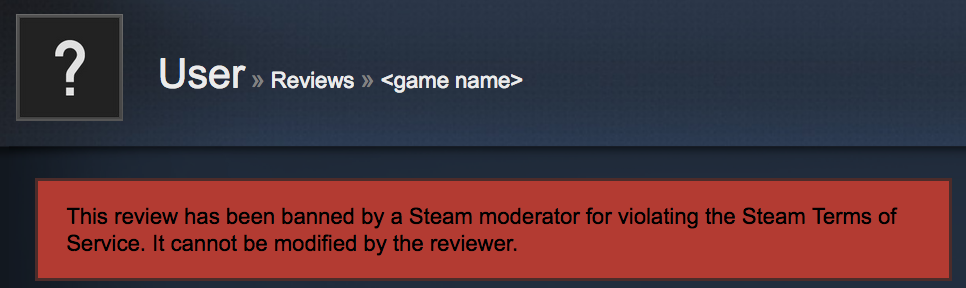

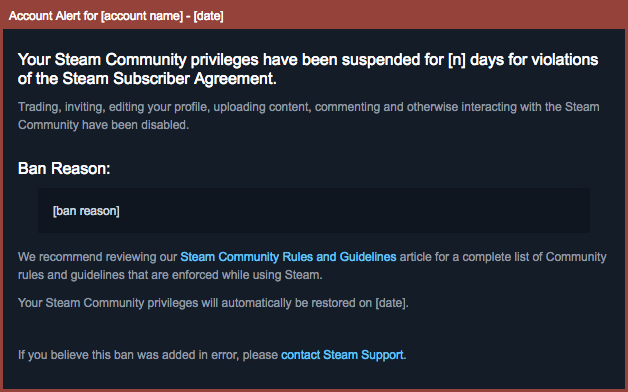


Steam Community Guide Bans On Steam. Top 20 Steam Games Banned By Germany YouTube . Steam Community Guide Bans On Steam. Steam Steam Banned In Vietnam. Steam Games That Force Players To Watch Are Banned Screenshot 2025 02 10 At 10.06.27


Steam March 2026 Client Update Adds Hardware Specs To User Reviews Steam Client Mar 2026 . Banned Steam Game Horses Sold 18 000 Copies But Still Couldn T Save Its. NEW How To Fix Steam Auth Game Banned Rust Easy Fix YouTube . Account Ala For 13 2022 You Ve Been Permanently Banned In Rust By Easy 1 . Steam Account Suspended Or Banned 2026 Recovery Ban Prevention Guide Image6 80 700x412


Spo Eczno Steam Poradnik Bans On Steam. Steam Banned In Vietnam Gaming Community Faces ISP Steam Vietnam Banned. Steam Game PirateFi Forcefully Removed After Malware Detected Within Steam Ban Force 1024x816 . S Review Is Steam Banned In Vietnam 2024 2026 Screenshot 2026 03 14 124419 . Steam Trade Ban Checker Check Any Steam Account Show My Items


Steam Account Suspended Or Banned 2026 Recovery Ban Prevention Guide Screenshot 13 2 1536x865 . Counter Strike And CoD Players Are Getting Random Steam Ban Notices Counter Strike Steam Bans Vac Valve Anti Cheat Call Of Duty Cod Modern Warfare 2 Team Fortress 2 . Steam Trade What Are They And How Can I Get Rid Of Them. How Do Hardware Bans Work At Hazel Anderson Blog How To Bypass Rust Game Ban . Will Using Cheat Engine Get You Banned On Steam LevelUpTalk Steam Game Ban 01 27 2026 5a19cfec 955a 4e31 Bacc


How To Message On Roblox 2026 A Quick Guide . Valve Reveals Full Steam Sale Schedule Through Summer 2026 Gaming Amigos F95046. Steam Sales 2026 Calendar Full Dates Best CD Key Deals AllKeyShop Com All Steam Events 2026. Steam Community Guide Bans On Steam. Steam 2026 4 New Free To Play Games Available Now AllKeyShop Com Showcase Steam Free Games 2026 Indie F2p Card Roguelike Sci Fi




The Top 2026 Games By Steam Wishlists By Rhys Elliott Fc2aa87f 2277 4294 9e7b 1920x1080 . New Steam Features For 2026 Steam Features 2026 What S New Banner.webp. HORSES The Disturbing Horror Game BANNED From Steam Full Game No . College Football 26 Everything You Need To Know About The Upcoming . Steam Banned The Of Release Dates Without Valve S Approval Steam Banned The Of Release Dates Without Valves Approval