Navigating the world of gaming PC components can be daunting especially when trying to stick to a GPU budget This comprehensive guide simplifies the process showing you how to maximize performance without breaking the bank Discover the latest insights into affordable graphics cards and smart upgrade strategies for 2026 Whether you are building a new rig or upgrading an existing one understanding your GPU budget is crucial for an optimized gaming experience We cover everything from evaluating your current setup to identifying the best value GPUs and even tips for finding deals on used components Learn how to balance performance expectations with financial realities ensuring you get the most bang for your buck Our expert tips will help you make informed decisions ensuring your gaming PC remains powerful and enjoyable for years to come Explore the trending options for every budget level perfect for busy US gamers balancing life and play.
What is the best approach to setting a realistic gpu budget for my next gaming PC?
Setting a realistic **gpu budget** begins with honest self-assessment. First, define your gaming goals: what resolution are you targeting (1080p, 1440p, 4K)? What kind of games do you primarily play (AAA blockbusters, esports, cozy indies)? And what frame rate makes you happy? Research current market prices for cards that meet these criteria. Also, factor in the cost of other components like your CPU, RAM, and storage, aiming for a balanced build where no single part severely bottlenecks another. Don't forget to account for sales or consider the used market, which can significantly stretch your dollars. A rough guideline is to allocate 30-40% of your total PC build budget to the GPU.
How can I get the most performance from my gpu budget without buying the newest card?
To maximize performance without breaking the bank on the latest cards, focus on value. Often, a high-end card from the previous generation can outperform a new mid-range card for a similar or lower price point on the used market. Look for models like the RTX 3060 Ti or RX 6700 XT. Utilize upscaling technologies like NVIDIA DLSS or AMD FSR, which allow lower-tier cards to render games at a lower resolution and then intelligently upscale them to your monitor's native resolution with minimal quality loss. Keep your drivers updated and optimize in-game settings carefully. Often, minor tweaks can yield significant frame rate improvements without sacrificing visual fidelity dramatically. This smart approach ensures your **gpu budget** goes further.
What are the risks and rewards of buying a used GPU for a tight budget?
Buying a used GPU for a tight **gpu budget** offers substantial rewards, primarily significant cost savings and access to higher-performance cards than you could afford new. However, risks include no warranty, potential wear and tear (especially from crypto mining), and limited return options. To mitigate risks, buy from reputable sellers, ask for proof of functionality and original purchase date, and prefer cards that have not been heavily used for mining. Thoroughly test the card upon receipt. While new cards offer peace of mind with warranties and the latest features, the used market can be a fantastic way to stretch your gaming dollars if you're careful and informed, making it a key consideration for many gamers.
Is it better to upgrade my GPU or save for a whole new gaming PC on a limited budget?
This depends on your current system's overall health and your specific **gpu budget**. If your current CPU, RAM, and storage are still reasonably modern (e.g., a Ryzen 3000 series or Intel 10th gen equivalent, 16GB RAM, SSD), a GPU upgrade alone can provide a massive performance boost, especially if your old GPU was the primary bottleneck. However, if your system is several generations old, a new GPU might be bottlenecked by an outdated CPU or slow RAM, negating much of its potential. In that scenario, saving for a completely new, balanced system might offer a better long-term gaming experience and more efficient use of your funds. Analyze your system's weakest link first.
How much VRAM do I really need in 2026 for a budget GPU to avoid issues?
In 2026, for a budget GPU, aiming for at least 8GB of VRAM is highly recommended to avoid texture pop-in or stuttering issues in modern games, particularly at 1080p. While some lighter esports titles or older games might still run fine with 6GB, many new AAA releases are becoming increasingly VRAM hungry, even at lower resolutions and settings. If your **gpu budget** allows, stepping up to 12GB offers more breathing room for future titles and higher texture settings, especially if you plan to game at 1440p. Prioritizing VRAM ensures your card remains capable as game demands evolve over the next few years, offering better longevity.
What role do CPU and power supply play when planning my gpu budget?
Your CPU and power supply are foundational to your **gpu budget** and overall PC performance. A powerful GPU will be severely bottlenecked by a weak or outdated CPU, meaning you won't get the full performance your graphics card is capable of. Aim for a balanced CPU that can keep up. Similarly, your power supply unit (PSU) must be capable of providing sufficient, stable power to your chosen GPU and the rest of your components. Undersizing your PSU can lead to system instability, crashes, or even damage. Always check the GPU's recommended PSU wattage and add a buffer for other components, ensuring long-term reliability and headroom for minor upgrades without immediate PSU replacement.
Are there any emerging technologies or trends that help stretch a gpu budget further in 2026?
Absolutely! Several emerging technologies are making your **gpu budget** stretch further in 2026. Upscaling technologies like NVIDIA's DLSS and AMD's FSR continue to evolve, offering impressive performance boosts with minimal visual compromises, allowing lower-tier GPUs to deliver playable frame rates at higher resolutions. Direct Storage API in Windows 11 helps load game assets faster, reducing CPU overhead and potentially improving overall system responsiveness, which indirectly benefits GPU performance by reducing bottlenecks. The continued refinement of driver optimizations from both NVIDIA and AMD also means older cards receive performance boosts over time. Additionally, the increasing popularity of social and cozy games often means less demand on graphical hardware, making budget GPUs more viable for popular gaming trends.
Hey fellow gamers! Ever feel like keeping up with the latest PC hardware is a full-time job, especially when you're already juggling work, family, and that precious little bit of free time for your favorite games? You're not alone. Many of us, average age around 36, want to unwind with a solid gaming session or connect with friends online, but the thought of dropping a fortune on a new graphics card can be a real headache. With 87% of US gamers playing regularly, often for 10+ hours a week, and social gaming on platforms like Discord being a huge draw, we all deserve a great experience without the financial stress. This isn't about chasing every bleeding-edge frame; it's about smart spending, maximizing value, and building a rig that lets you enjoy what you love.
The good news? You absolutely can achieve fantastic gaming performance without emptying your wallet. The secret lies in mastering your **gpu budget**. It's not just about finding the cheapest card; it's about finding the *right* card for *your* needs, *your* games, and *your* financial reality. We're going to cut through the hype and dive into practical strategies, real-world advice, and actionable tips for making your **gpu budget** go further in 2026. From picking the perfect card to balancing your build and even exploring the used market, consider this your ultimate guide to powerful, budget-friendly gaming. Let's get started and make your gaming rig work smarter, not harder!
What is a Realistic GPU Budget for 2026 Gaming?
For most US gamers, balancing a passion for gaming with real-world responsibilities means finding value. In 2026, a realistic **gpu budget** for solid 1080p performance typically ranges from $250 to $450. If you are aiming for 1440p, expect to spend $500 to $750. Ultra 4K gaming pushes past $800 to $1200 or more. These figures represent street prices for new mid-range cards that deliver excellent frames per dollar, perfect for playing popular titles and experiencing new trends like social-cozy games or competitive esports viewing without constant upgrades.
How Do I Maximize Performance on a Tight GPU Budget?
Maximizing performance on a tight **gpu budget** involves smart choices beyond just the card itself. First, understand your resolution: 1080p is far less demanding than 1440p or 4K. Second, optimize in-game settings; many games look great with a mix of medium-high settings. Third, keep your drivers updated. Fourth, consider a slightly older generation flagship GPU used; a top-tier card from two years ago can outperform a new budget card today. Finally, pair your GPU with a balanced CPU and sufficient RAM to avoid bottlenecks, ensuring your entire system works in harmony.
Which Budget GPUs Offer the Best Value in 2026?
For 2026, value king budget GPUs often come from NVIDIA's RTX 3050/3060 series and AMD's RX 6600/6700 XT lineups. These cards provide strong 1080p to entry-level 1440p performance. New releases like the rumored RTX 4050 or RX 7600 XT are expected to push these price points further, offering improved efficiency and features like better ray tracing for comparable costs. Always check recent benchmarks for the specific games you play, as performance varies. Websites like TechRadar and Gamers Nexus offer excellent, unbiased reviews that are updated monthly.
Should I Buy a New or Used GPU for My Budget Build?
The used GPU market is a goldmine for budget-conscious gamers, but it comes with caveats. You can often find last-generation cards with significant performance for 30-50% less than new. Look for reputable sellers on platforms like eBay or local marketplaces with strong buyer protection. Always ask for proof of functionality, such as benchmark scores or photos/videos of it running. Ensure the card was not used for extensive crypto mining, which can degrade its lifespan. New cards offer warranties and the latest features, providing peace of mind, but at a higher upfront cost. Weigh your risk tolerance against your **gpu budget**.
How Does My Monitor Impact My GPU Budget Decisions?
Your monitor is a critical factor in your **gpu budget**. A 1080p monitor at 60Hz won't benefit from a high-end GPU capable of 144+ FPS, as you'll be capped by the display. Conversely, a 1440p 144Hz monitor demands a much stronger GPU to deliver those high frame rates. Align your GPU choice with your monitor's native resolution and refresh rate to avoid overspending or creating a bottleneck. Upgrading your monitor might even be a better first step for a perceived performance boost if your current GPU is still decent for its resolution target.
Can I Future-Proof My GPU Budget Without Overspending?
True future-proofing is tricky as technology evolves rapidly, but you can make smart choices. Aim for a GPU with slightly more VRAM than current minimums (e.g., 8GB for 1080p, 12GB for 1440p) to handle upcoming game textures. Prioritize raw rasterization performance over advanced features like ray tracing if your budget is tight, as ray tracing is still very demanding. Also, choose a card from a series that typically receives long-term driver support. Investing in a power supply with some headroom also allows for potential GPU upgrades later without replacing the entire PSU, offering flexibility for your **gpu budget**.
What About Integrated Graphics for Ultra-Budget Gaming?
Integrated Graphics Units (IGUs) have come a long way, especially AMD's Ryzen APUs with Radeon graphics. For ultra-budget gaming, primarily at 720p or low-settings 1080p in less demanding titles (like popular social/cozy games or older esports titles), IGUs can provide a surprisingly decent experience. They are perfect for gamers just getting started or those who prefer casual gaming without a dedicated GPU. While they won't run the latest AAA blockbusters at high settings, they are incredibly cost-effective. Consider an APU if your **gpu budget** is extremely limited or you're building a compact, low-power system for light gaming.
How Do I Balance My GPU Budget with Other PC Components?
A common mistake is putting too much of your **gpu budget** into the graphics card while neglecting other crucial components. A powerful GPU paired with a weak CPU, insufficient RAM (less than 16GB is generally not recommended for gaming in 2026), or a slow storage drive (still rocking an HDD as your primary game drive?) will lead to bottlenecks and a poor gaming experience. Aim for a balanced build where no single component severely limits another. A good rule of thumb for a gaming PC budget is often 30-40% for the GPU, 20-25% for the CPU, 10-15% for RAM and storage, and the rest for the motherboard, PSU, and case.
What are the Latest Trends in Affordable Gaming Hardware?
This month, the trend is moving towards more power-efficient GPUs, even in the budget segment, offering better performance without needing massive power supplies. AMD's FSR and NVIDIA's DLSS technologies continue to be game-changers, allowing lower-tier cards to punch above their weight by upscaling resolutions. Used markets are also stabilizing after past surges, making older cards more accessible. Furthermore, the rise of cloud gaming services offers an alternative for those with very tight **gpu budget**, allowing them to stream high-end games without owning the hardware. Social gaming trends mean many popular titles are less graphically intensive, making budget setups viable for connecting with friends.
How Can I Keep My Budget GPU Performing Well Long-Term?
Keeping your budget GPU performing well long-term involves a few simple habits. First, ensure good airflow in your PC case to prevent thermal throttling. Overheating can significantly reduce performance and lifespan. Second, regularly clean dust from your fans and heatsinks. Third, maintain updated GPU drivers; manufacturers often release performance optimizations and bug fixes. Fourth, don't shy away from adjusting game settings; lowering a few demanding options can extend the playability of your card for years. Lastly, monitor your GPU's temperatures and usage with tools like MSI Afterburner to catch any issues early and optimize your settings efficiently.
Navigating your **gpu budget** might seem like a maze, but with these strategies, you can build a powerful gaming rig that fits your lifestyle and wallet. Remember, smart spending means understanding your needs, researching value, and balancing components. It’s about getting the most enjoyment out of your gaming time, whether you’re diving into a new AAA title, chilling with friends in a cozy game, or sharpening your skills in an esports arena. Happy gaming, and may your frame rates be high!
What's your biggest gaming challenge when it comes to hardware? Share your tips or questions below!
FAQ Section
What's the best GPU for under $300 in 2026?
For under $300 in 2026, look for AMD's RX 6600 or NVIDIA's RTX 3050, especially if found on sale. These cards deliver solid 1080p performance in most modern titles and are excellent value options for a strict **gpu budget**.
Is 6GB VRAM enough for gaming in 2026?
While 6GB VRAM is borderline for newer AAA titles at high settings, it can still be sufficient for 1080p gaming with optimized settings, especially in popular esports and social games. For future-proofing or 1440p, 8GB or more is highly recommended for your **gpu budget** consideration.
How often should I upgrade my GPU on a budget?
On a budget, aim to upgrade your GPU every 3-5 years. This timeframe usually allows for significant performance gains without constantly chasing the latest tech. Strategic upgrades based on specific game requirements rather than hype are key for a balanced **gpu budget** approach.
Can integrated graphics run Warzone or Fortnite in 2026?
Integrated graphics, especially AMD's Ryzen APUs, can run Fortnite at playable frame rates at 1080p low settings. Warzone, being more demanding, might require 720p or very low settings. For competitive play in these titles, a dedicated GPU is still highly recommended to secure consistent performance and smooth visuals within your **gpu budget** plan.
What factors affect GPU budget beyond price?
Beyond the sticker price, your **gpu budget** is influenced by power consumption (which affects PSU choice and electricity bills), cooling requirements (which might mean needing a better case or fans), and compatibility with your motherboard and CPU. Always factor in the total cost of ownership, not just the GPU itself.
Where can I find reliable GPU benchmarks for budget cards?
For reliable GPU benchmarks for budget cards, turn to established tech reviewers like Gamers Nexus, Hardware Unboxed, TechSpot, and Digital Foundry. They provide in-depth, scientific testing across various games and resolutions, helping you make an informed decision within your **gpu budget**. Always seek recent benchmarks from this month or quarter for the most current data.
Smart GPU budget planning for optimal gaming performance. Maximize value in graphics card purchases. Balancing gaming needs with financial realities. Identifying best value GPUs for 2026. Tips for budget-friendly upgrades and builds. Understanding monitor impact on GPU choice. Leveraging used GPU markets. Future-proofing on a budget. Role of integrated graphics. Component balancing for total PC value.
34
Best Budget Gaming GPU 2026 Top Picks Under 200 Switchblade Gaming Best Budget Gaming Gpu 2026 Intext Budget Gpu. Best Budget GPU 2026 South Africa Deals Evetech Best Budget Graphics Card South Africa 2026 980px V1.webp. Best GPU CPU Combo For Every Budget In 2026 Best GPU CPU Combo For Every Budget In 2026 . Best Graphics Card 2026 Comparison Ranking And Buying Guide For PC Gpu Performance Scores Clean Vertical. Best Budget GPU For Local LLM AI 2026 14B Models Tested Compute Best Budget Gpu For Ai 2026 Og.webp


Best Budget Graphics Cards 2026 Top Picks Best Budget Graphics Card.webp. Best Budget GPU 2026 TOP 5 Shorts Tech Budgetgpu YouTube Oardefault . 10 Best Graphics Cards GPUs Budget July 2026 Tested Best Graphics Cards GPUs Budget 768x419 . 2026 GPU Price Rise AMD NVIDIA Graphics Card To Get More Expensive Gpu Price Rise 2026 Amd Nvidia . An Lisis De Precios De Tarjetas Gr Ficas En 2026 Comprar Ahora O


Best Budget NVIDIA Graphics Cards GPUs 2026 Expert Reviews Best Budget NVIDIA Graphics Cards GPUs . Best Budget Gaming GPU 2026 Top Picks Under 200 Switchblade Gaming Best Budget Gaming Gpu 2026.webp. Latest Graphics Cards For Gaming In 2026 UK Budget 1440p 4K Ranked Best Latest Graphics Cards 2026 Uk 1320x880 . Choosing The Right GPU For Your Budget Build In 2026 LevelUpTalk Choosing Gpu Budget Builds 03 23 2026 62cb55b1 934d 4009 9f80. Budget GPU For CS2 Best Picks For 300 FPS In 2026 Best Budget GPU For 300 FPS In CS2 1024x559
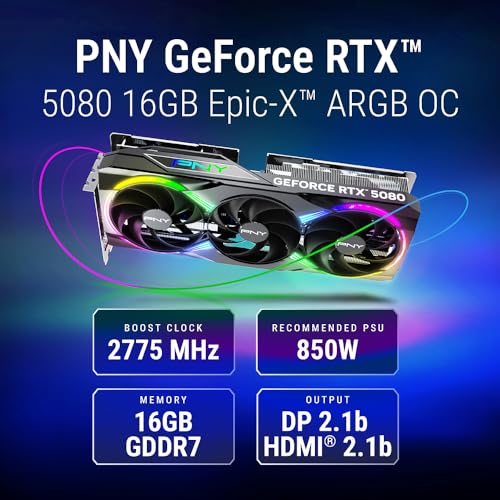


Best Budget GPU For Gaming In 2026 RTX 40 Gaming PC Guru 51bPyruFLeL . 12 Best Budget Gaming Graphics Cards 2026 GPUs Under 350 Best Graphics Cards GPUs Laptops 1024x559 . Best Budget GPU For Gaming 2026 Guide Sirius Power PC 51ce349a 7fb4 4bc9 B788 700x467 . Best GPUs To Upgrade To In 2026 My Honest Take Tech Tactician 100420 2048x1029 . Best Budget Graphics Cards For Serious Gaming April 2026 Best Budget Graphics Cards GPUs For Gaming 300x164



10 Best Budget Graphics Cards July 2026 Tested Best Budget Graphics Cards 1024x559 . Best Budget Graphics Cards To Buy In 2026 For 1080p And 1440p Gaming Best Budget Graphics Cards 2026.webp. Best Budget Graphics Cards 2026 12 Cheap GPUs Tested Ranked Featured Image 0urr2qmy . Best Budget GPU For AI In 2026 What Delivers The Lowest Cost Per Run Fluence Network 5 Best Budget GPUs . Top 5 BEST Budget Graphics Cards 2026 YouTube


Best Graphics Cards UK 2026 Budget To Premium Tested Ranked Image. Best GPUs Under 500 In 2026 My Top Picks For High End Gaming On A Best GPU For 1440p 144Hz . NVIDIA Graphics Cards A Complete Guide To Performance Rankings And Top Budget Nvidia Graphics Cards For 2026 Best Performance For Your Money . TOP 5 Best Budget Graphics Cards 2026 The 300 Graphics Card That . Gaming PC Budget Guide 7 Smart Rules For 2026 Budget Gpu 768x384

A Full Overview Of The GeForce CES 2026 2. Increase In GPU Prices In 2026 Analysis And Market Status Amd Gpu Price. Best Budget Graphics Cards 2026 15 Affordable GPUs Tested Featured Image R50nio6g 300x210 . Amazing GPU And CPU Combo 2026 12 Proven Pairings For Every Budget Amazing GPU And CPU Combo